
Economic Deep Dive by Dr. Gajigo
Dr. Ousman Gajigo is a seasoned economist with years of experience at the African Development Bank, World Bank, and Columbia University. In addition to this, Dr. Gajigo founded and managed an agribusiness firm.
Dr. Gajigo holds a PhD in development economics from the University of Wisconsin–Madison. He has research experience in entrepreneurship, labour markets, agricultural economics, natural resources, and the economics of education.
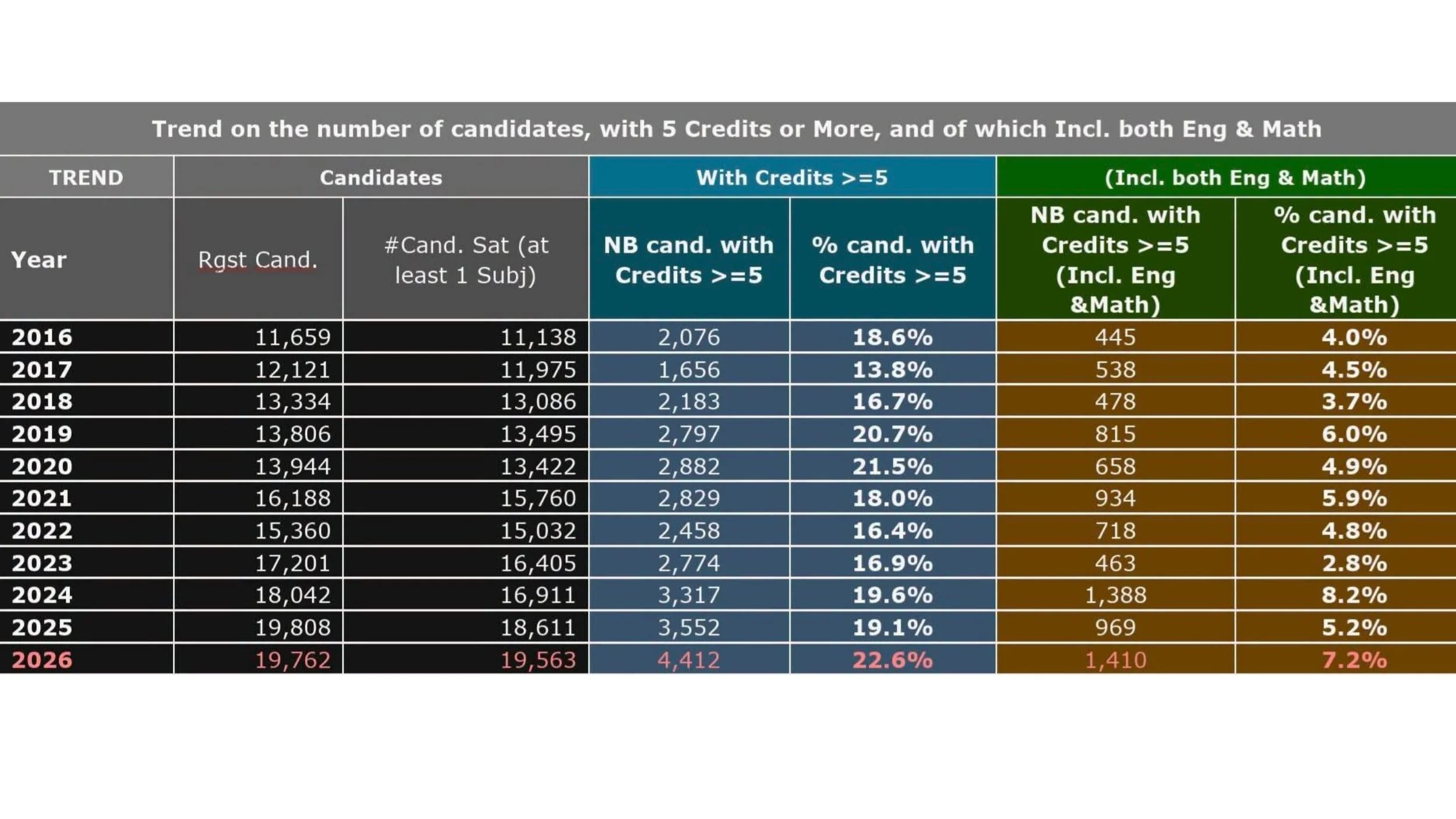
While attending classes is essential for education, it is not sufficient. Students need to properly learn the subject matter, particularly in core subjects such as mathematics, science, and language. Without adequate levels of proficiency, mere school attendance does not mean much.
More in this opinion piece
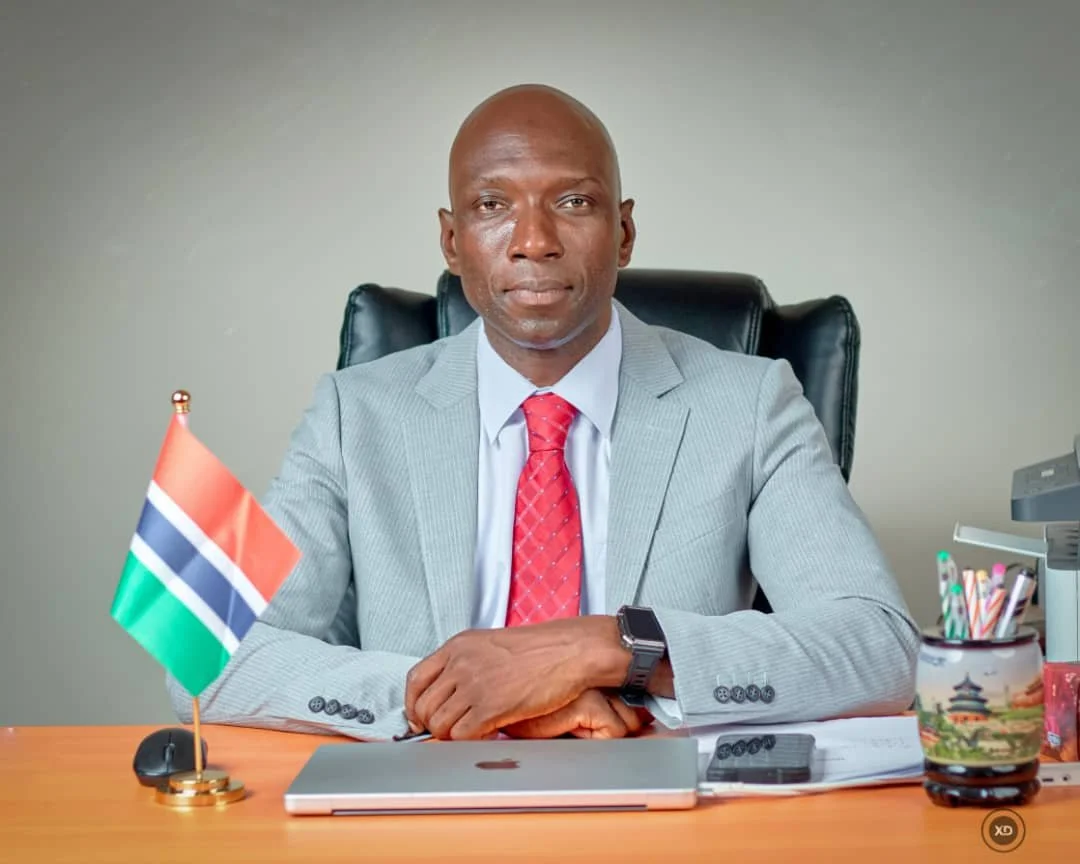
The Minister of Finance, Mr. Seedy Keita, recently appeared in the media, where he tried to spin a narrative at odds with reality regarding The Gambia's public debt. But it is hard to spin reality about the size and structure of a subject such as public debt when so much is well documented.
More in this opinion piece.
The Ministry of Trade, Industry, Regional Integration, and Employment recently announced an agreement it signed with Pakistan for the supply of rice and other agricultural products. This announcement was presented as an achievement. In reality, it is a major sign of failure. It takes a certain level of incompetence to mistake failure for achievement.
More in this opinion peice.
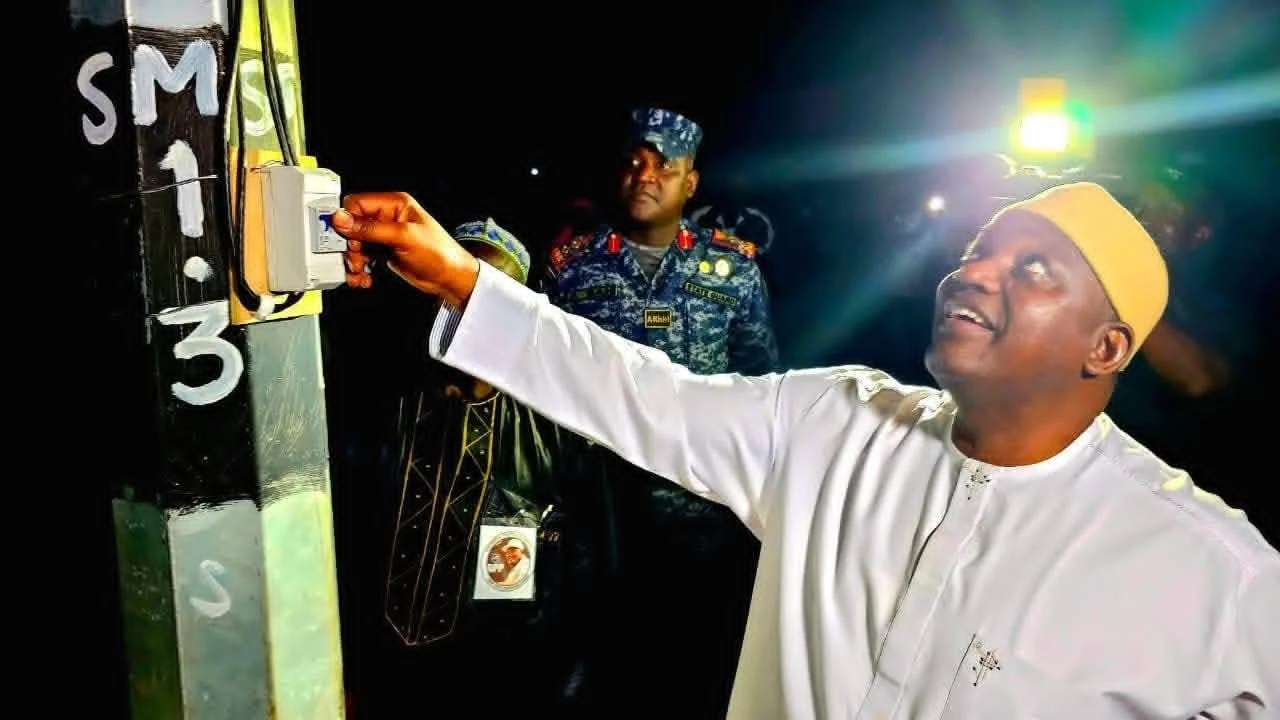
As Tobaski approaches, almost everyone is bemoaning the high cost of rams. The past week has also seen some of the worst electricity blackouts the country has experienced. In my neighbourhood of Brusubi alone, we endured over 10 hours of outages in a single 24-hour period. These two phenomena – both of which are deeply affecting the average Gambian – are more closely related than they might appear.
More in this opinion piece.
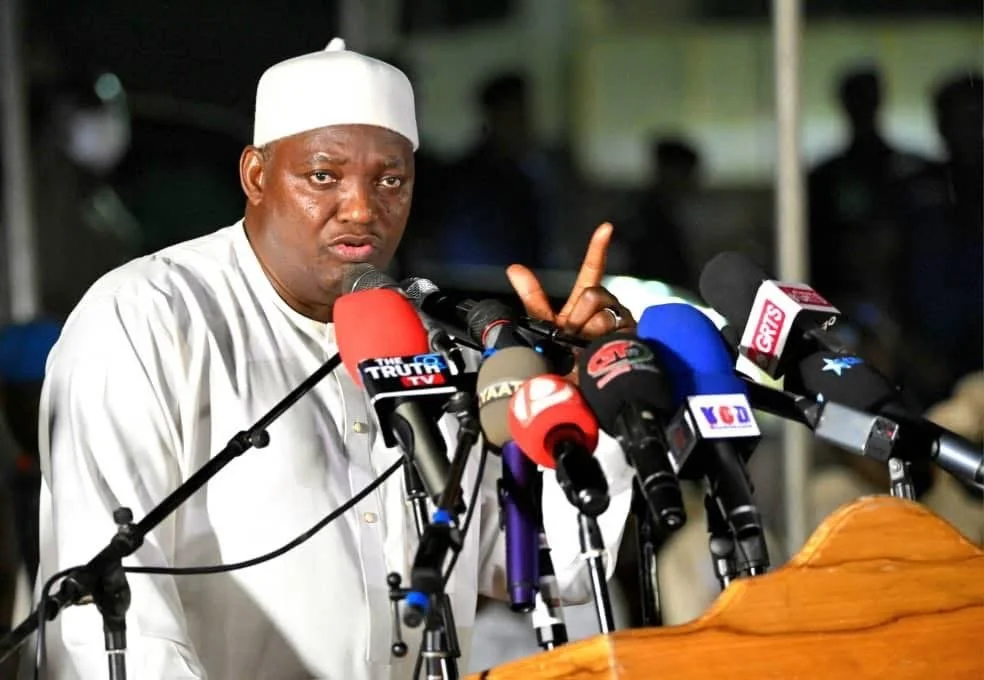
Eventually, Adama Barrow broke his silence over Seedy Njie's despicable words and behaviour. But it would probably have been better to remain quiet and let people speculate about his state of mind than to make a statement that dispels all doubt about his leadership qualities. It is now absolutely clear that Adama Barrow is not a national leader in the true sense of the word.
More in this opinion piece.

The Minister of Fisheries, Musa Drammeh, was quoted in the press attributing high fish prices to fuel costs. He also claimed that the lack of a fish landing port in Banjul contributes to high prices and pointed to the absence of cold storage and fish processing facilities as additional factors. In doing so, Minister Drammeh is merely confirming what should have long been obvious to anyone paying attention: he is an unserious minister who does not care about the welfare of Gambians and is instead weaving a demonstrably false narrative.
More in this in-depth look at the rising cost of fish.
The head of the National Road Authority (NRA), Mr. Sulayman S. Janneh, was quoted in the press blaming the country's road deficit on the previous regimes of Yahya Jammeh and Dawda Jawara, and claiming that there are better standards under the Adama Barrow regime. The Gambia certainly has a major roads problem. It is reflected in both quality and quantity - though Mr. Janneh chose to attribute only the quantity deficit to his boss’s predecessors.
More in our latest edition of Economic Deep Dive.
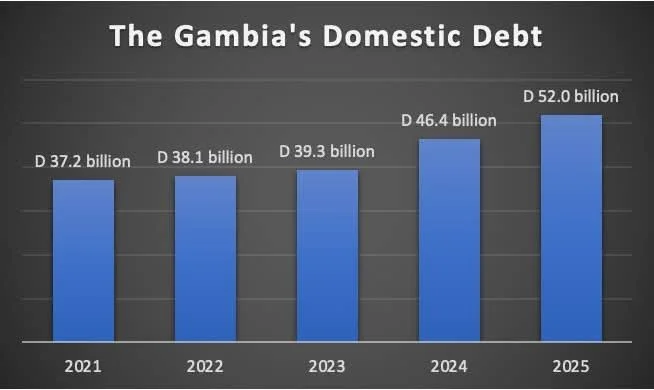
In our latest edition of Economic Deep Dive by Dr Ousman Gajigo, he dissects The Gambia’s economic domestic challenges, which he argues is an unfolding emergency that “few people are talking about with the urgency it deserves”.
More in this data-driven business economy analysis.
Dr Ousman Gajigo reviews the Broadcasting and Online Content Regulations and the National Press Accreditation Policy, widely condemned by the Gambia Press Union and media stakeholders. In his review Dr Gajigo opines that “the regulation reflects a disturbing pattern of the Adama Barrow government taking all the wrong lessons from the Yahya Jammeh regime."
He labelled the instruments as “an attempt to restrict press freedom and the general freedom of expression while paying lip service to principles such as standards, fairness, and combating misinformation."
More in this opinion piece.
The Special Select Committee's report on the disposal of Jammeh's assets makes for sobering reading. It provides a gripping account of administrative incompetence, institutional dysfunction, and governance failures.
More in the article.
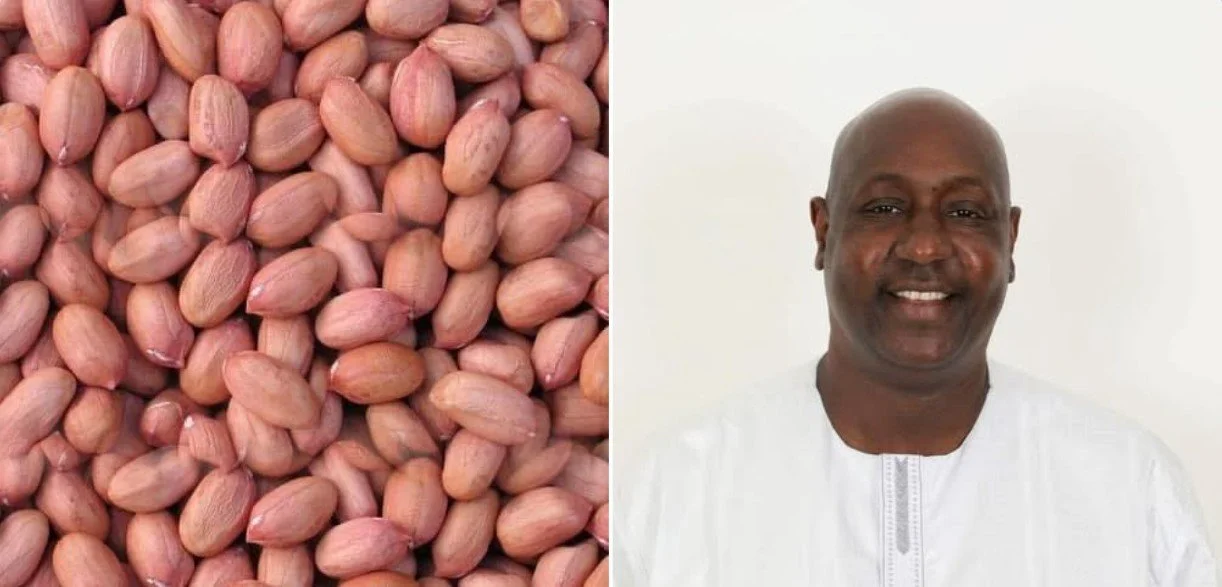
Dr Ousman Gajigo highlights the Ministry of Agriculture’s “misplaced priorities” observed during the tabling of the National Food Security Corporation Bill. In this publication, Dr Gajigo argues against the licensing of the import and export of groundnuts, for which Minister Sabally advocated heavy fines reaching D5 million and 5 years’ imprisonment.
More in this detailed opinion piece.
The press recently quoted the Central Bank of The Gambia (CBG) announcing a cut to its monetary policy rate (MPR). The MPR is one of the key tools of monetary policy, and it is the interest rate set by the CBG to manage and guide market interest rates. Within the same press report, the CBG projected strong economic growth.
More in this article.
The government's annual purchase of groundnuts from farmers is not a long-term viable strategy. It is fiscally draining, has been short-changing farmers, and is a commercial activity for which government entities are ill-suited. It is high time the country implements a strategy that meets the modern needs of the Gambian economy and of farmers in particular.
More in this article.
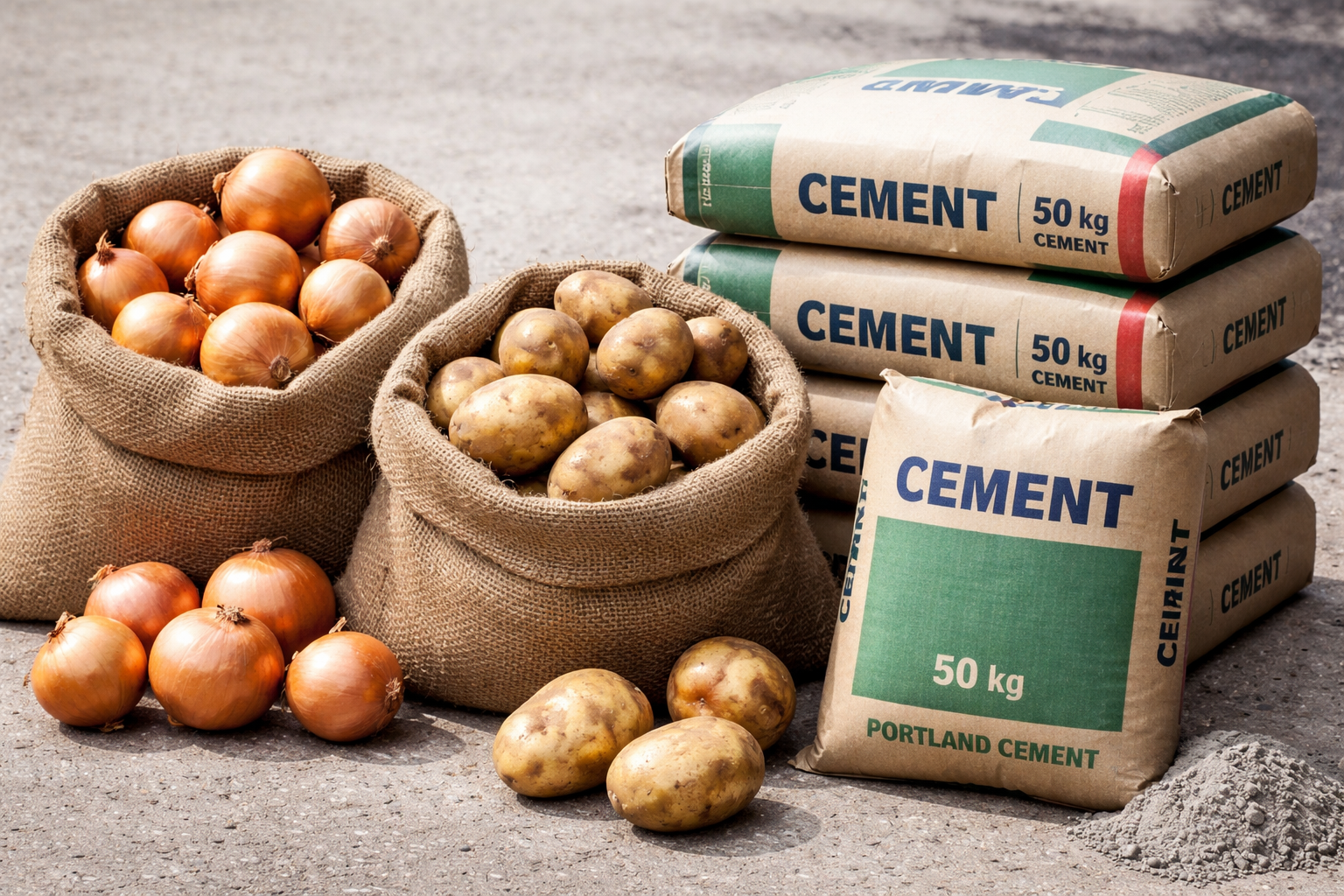
Recently, the government announced a temporary restriction on the importation of potatoes and onions, ostensibly to protect local producers. On the surface, this seems like a good decision. However, on closer inspection, it is not the action of a government that is serious about supporting local industry or farmers, particularly smallholders.
More in this article.

In a recent press statement, Dr Ismaila Ceesay claimed that The Gambia is on course to achieve universal electricity access before the end of 2026. This is not a new claim by the government. Dr Ceesay previously claimed that The Gambia would achieve universal access by 2025, which was the official position of the government. Just as that claim turned out to be false, this new claim is equally false for several reasons.
More in this article.
Dr Ousman Gajigo observes that Tourists staying in Gambian hotels are increasingly crossing into Senegal for nature and cultural experiences that should be found at home, exposing a costly leakage in the country’s tourism economy.
From the neglect of Abuko Nature Reserve and Sindola Safari Park to poor integration with agriculture and local communities, government inaction has left the sector shallow and enclave-driven, argues Dr Gajigo.
As arrivals become the sole metric of success, the deeper value of tourism—jobs, linkages, and shared prosperity—continues to diminish. More in this opinion piece.
After the government issued a statement setting the price of groundnut at D38,000 per tonne and creating a monopoly on Gambian groundnuts, numerous critics highlighted that the price has remained stagnant for three years while the cost of living continues to increase.
One critic, Dr Gajigo, has followed this up with a publication calling for a wake-up call for a national discussion on the price of groundnuts for farmers. He argues, “There are many reasons why” this year’s “price is extremely low given the Gambian context.”
Find out his reasons in this opinion piece.

Opposition leader, economist and agripreneur Dr Ousman Gajigo criticises the government’s failure to govern and face the reality. In his latest piece, he believes that the government is “increasingly out of touch with reality” and “persistently claiming the opposite of what real people are experiencing every single day”.
According to Dr Gajigo, “Over the past couple of months, the country has been facing food security challenges, a migrant crisis, and health sector problems. Yet officials in the Adama Barrow government would have you disbelieve your own eyes.”
More in the opinion piece.

Economist and politician Dr Ousman Gajigo opines that recent statements from the Ministry of Trade, Industry & Regional Integration (MOTIE) and Jah Oil Company regarding the cement crisis are false.
Although he notes that the statements are quite similar in their purported explanation, Dr Gajigo believes that both statements provided a false explanation for a completely avoidable cement crisis situation.
More in this opinion piece.

Newspapers recently reported that the government of The Gambia still owes Karpowership an arrear of $19.6 million. That amount is nothing compared to what the government of Adama Barrow has squandered in its dealings with this company. Karpowership is a Turkish company that owns a fleet of ships from which it sells electricity – basically an electricity company with floating power plants. The government of The Gambia bought electricity from this company for seven years between 2018 and 2024. More in this opinion piece.
The Gambia’s cement shortages have become so routine that they no longer shock anyone. Yet behind this “never-ending crisis” lies a manufactured problem—one driven by government decisions that favour a well-connected business over the national interest. More in this opinion piece.
The Gambian government’s decision to set the 2025/2026 groundnut purchase price at D38,000 per tonne has sparked criticism from agricultural economist Dr. Ousman Gajigo, who says the rate leaves farmers underpaid and accelerates the steady collapse of groundnut production. More in this expert opinion.
It is easy to differentiate a serious government from an incompetent one. One way of doing so is to see how they respond to valid criticisms. The response of President Barrow to concerns about the current deplorable state of healthcare in The Gambia leaves no doubt as to which kind of government he is leading. The reality is that everyone in the country knows that the average Gambian does not have access to affordable and quality healthcare. More in this editorial.
Across the country, women gardeners continue to coax life out of parched soils and ageing wells, yet their contribution to national food security barely registers in official planning. Vegetable gardening remains the forgotten pillar of Gambian agriculture. More in this opinion piece.

As public frustration over deteriorating mobile services reaches new heights, PURA’s failure to enforce its own quality-of-service regulations has emerged as a central cause of the crisis. The regulator’s long-standing negligence—marked by years without published monitoring reports—has left mobile operators unaccountable and consumers bearing the consequences. More in this opinion peice.

What was presented as a fresh start for The Gambia’s democracy has instead proved to be a calculated political manoeuvre. The Barrow administration’s so-called constitutional reform—framed as an escape from the 1997 Constitution—was ultimately a draft designed to consolidate the president’s power. With its rejection in the National Assembly, it is clear the government’s agenda was never about strengthening democracy but about protecting one man’s political future. More in this opinion piece.
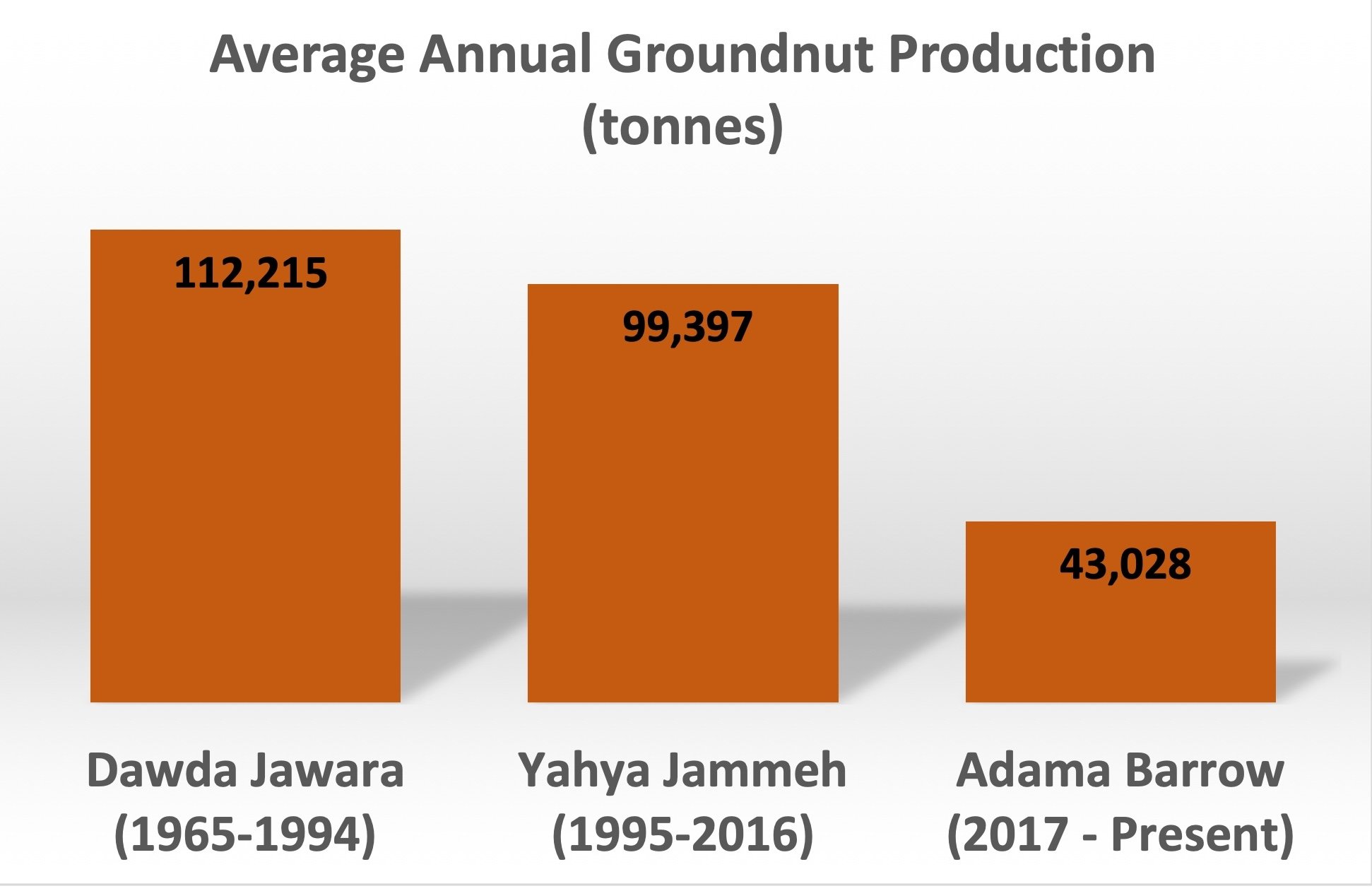
Dr. Ousman Gajigo provides a detailed and investigative look into the challenges facing The Gambia’s agriculture sector, following visits to several regions where he observed firsthand how farmers are struggling amid the sector’s decline. More in this revealing report.

This expert article written by season economist Dr Gajigo, reveals that The Gambia has lost over a $100 Million in its deal with Africa50 which will see the company take control of the SeneGambia Bridge for 25 years. More in the publication.

Dr Ousman Gajigo exposes how The Gambia’s agriculture is failing—not from drought or poor seeds, but from government neglect. While farmers wait for payments and tractors stuck in shady deals, officials blame the weather. Meanwhile, aflatoxin chokes exports and political allies profit. The sector isn’t dying; it’s being killed by incompetence and graft. More in this expert editorial.

In this publication, economist Dr. Ousman Gajigo highlights discrepancies observed in the Central Bank of the Gambia’s latest Monetary Policy Committee press briefing issued in August 2026. According to Dr. Gajigo, the government’s addiction to domestic debt continues to overcrowd the private sector while contradicting the Central Bank's claim that credit to the private sector increased by 41% within a year.
More in this latest Economic Deep Dive.