Human Rights News
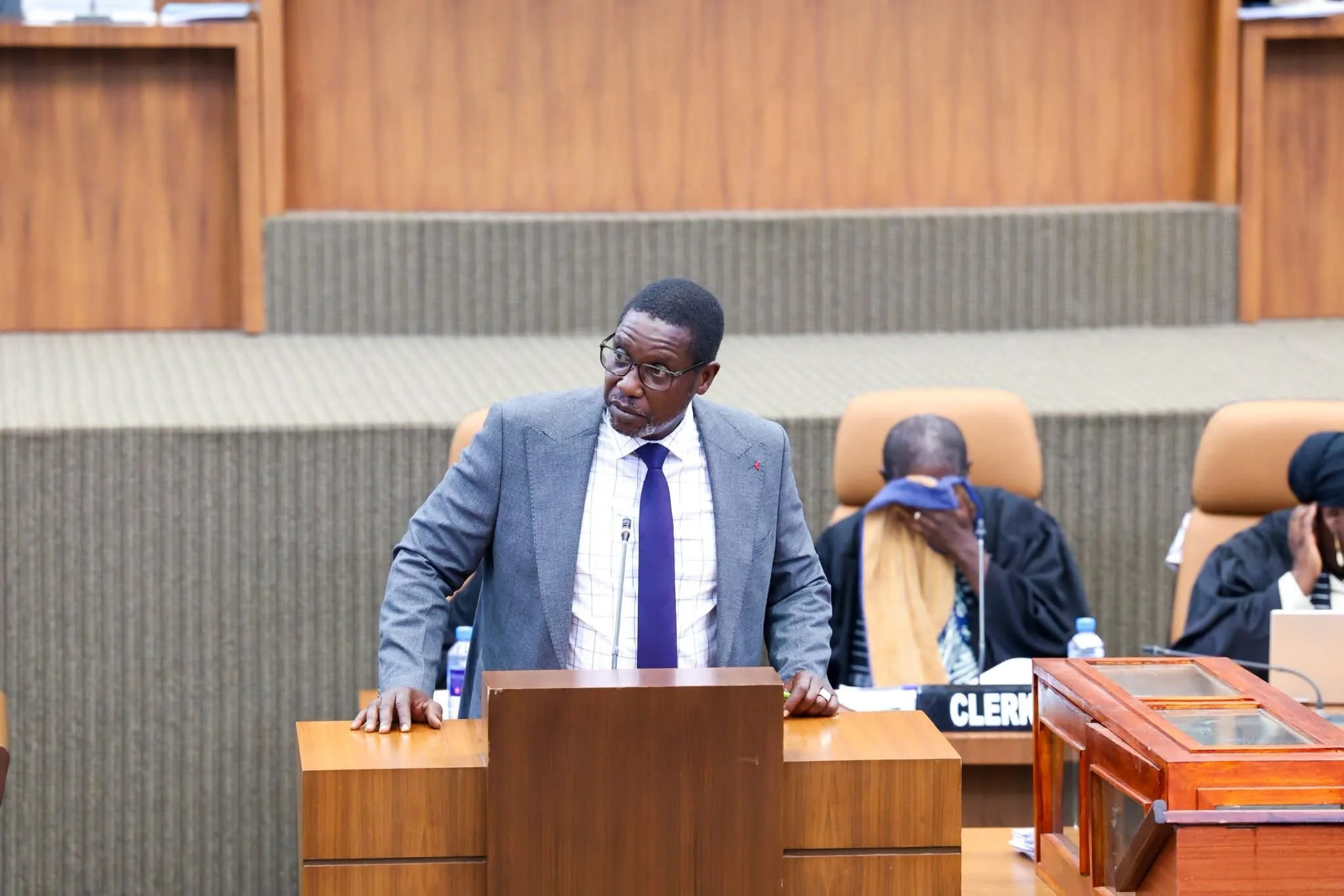
The Gambia is set to take a major step in tackling irregular migration as lawmakers prepare to consider a new Immigration Bill that could, for the first time, specifically criminalise migrant smuggling in the country.
The Immigration Bill 2026, which is scheduled to be tabled before the National Assembly on Monday, 8th June 2026, seeks to repeal and replace the main immigration legislation that has been in force for more than six decades.
More in this parliamentary report.
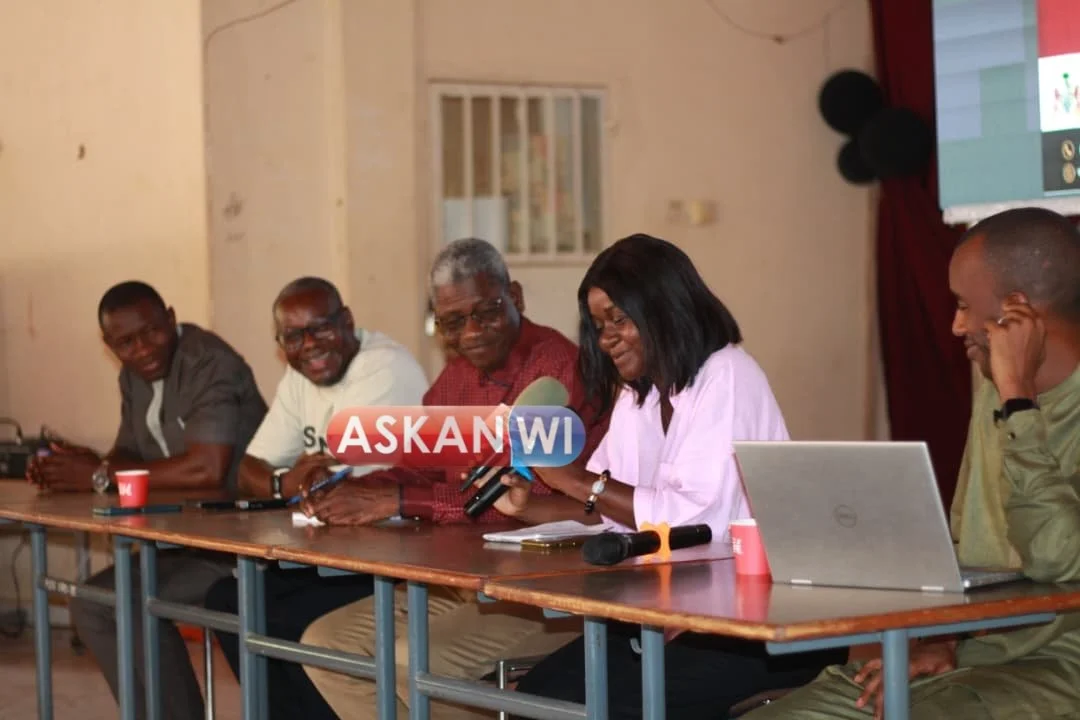
Nearly five years after The Gambia's Truth, Reconciliation and Reparations Commission (TRRC) documented killings, torture, enforced disappearances and other human rights violations committed by state security agents, ANEKED Country Director Ms Sirra Ndow has called for a people-centred approach to security sector reform, stressing that the ultimate goal to ensure that Gambians never again fear the institutions meant to protect them.
More in the news report.
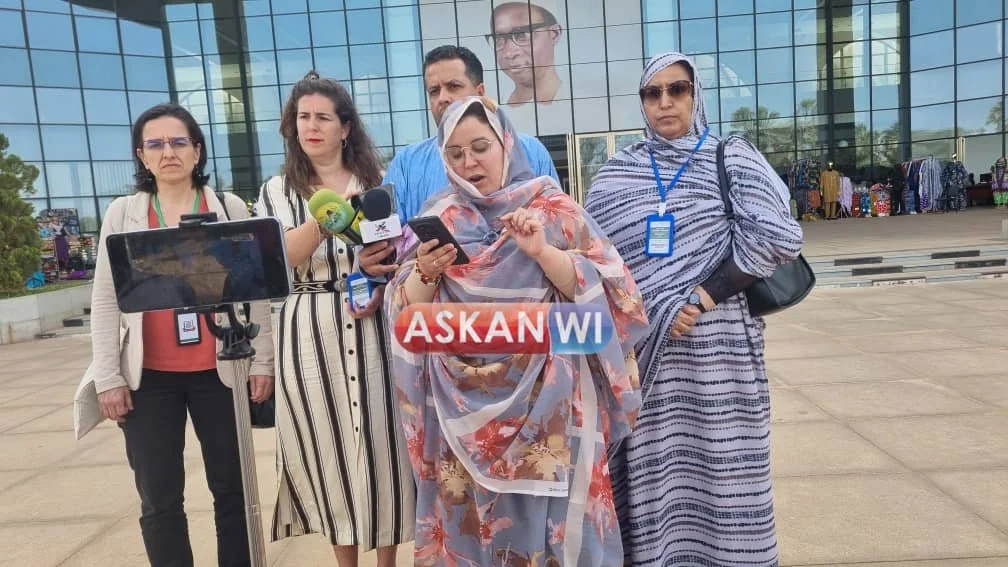
Western Sahara human rights defenders alleged that they are being silenced in The Gambia, highlighting that their side event at the African Commission on Human and Peoples’ Rights 87th Ordinary Session was cancelled by the Sir Dawda Kairaba Jawara International Conference Centre (SDKJ-ICC) yesterday, 12th May 2026.
More in the report from Banjul.
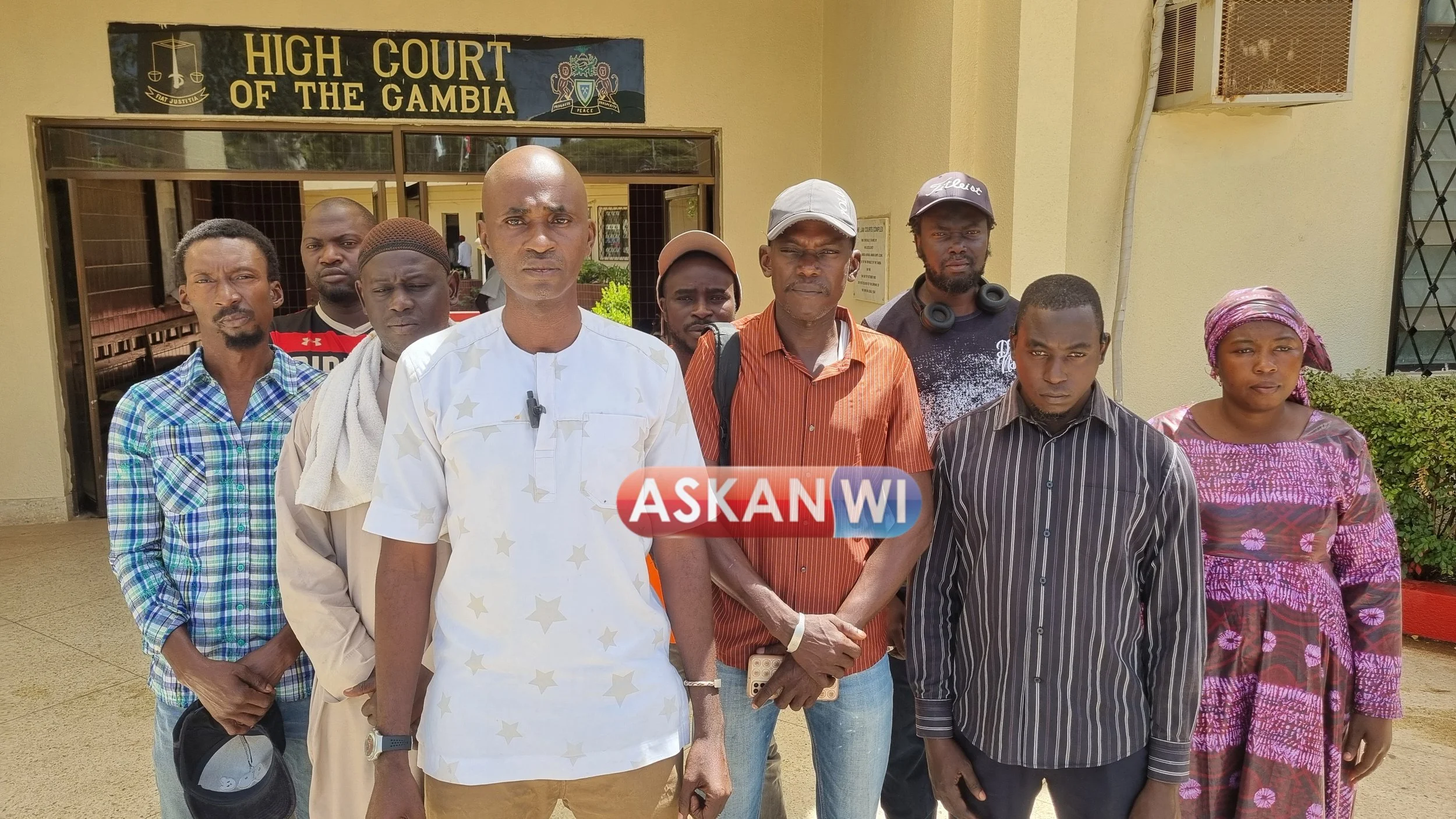
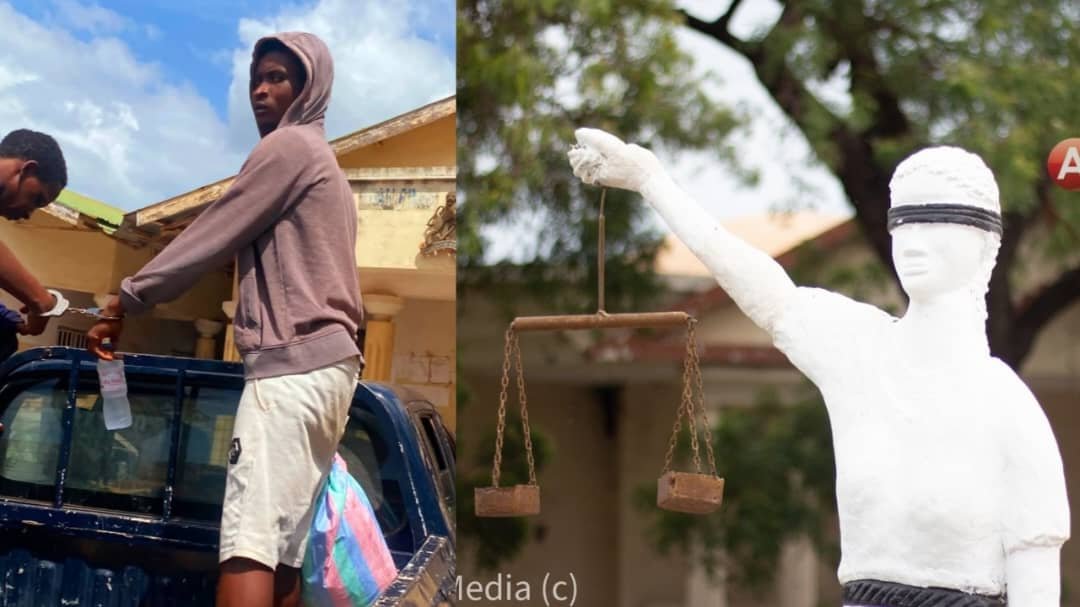
After waiting hours for a magistrate to be assigned to commence the trial, some 14 activists affiliated with the anti-corruption youth movement, Gambians Against Looted Assets (GALA), were granted court bail on Monday, 11th May 2026, after being charged with unlawful assembly and common nuisance by police.
More in the court report.
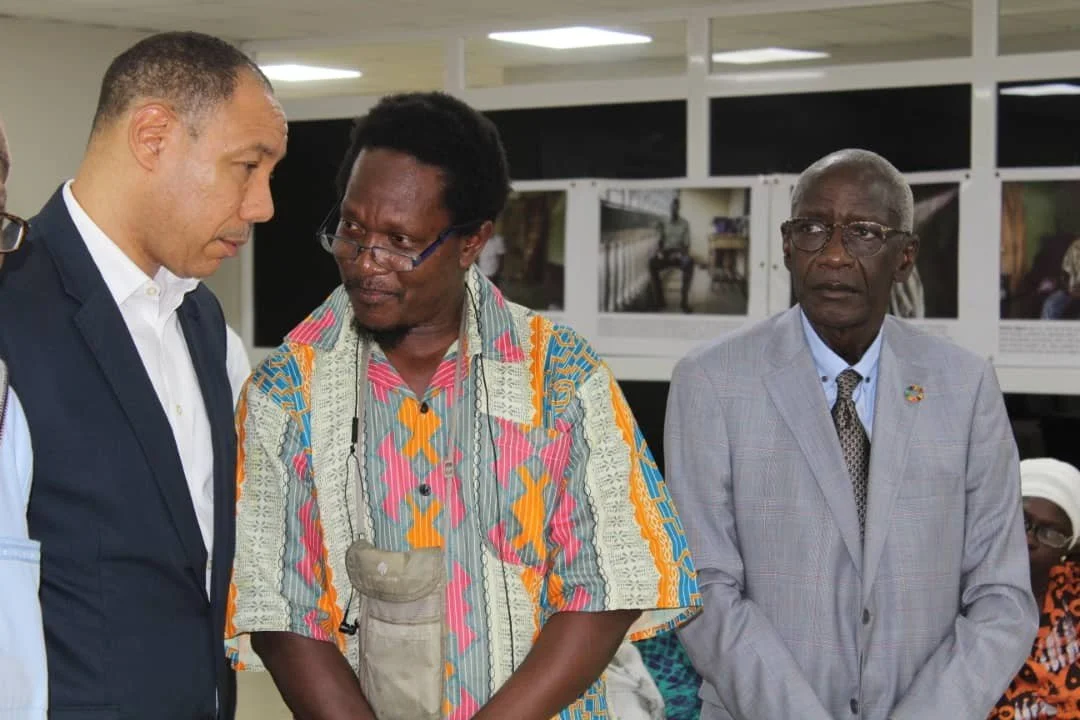
As risks against journalists persist in the country, participants of the recent Gambia Press Union’s (GPU) Hazardous Environment Awareness Training (HEAT) have revealed that the programme has become a critical lifeline, equipping them with skills that could mean the difference between safety and serious harm.
More in the news report.
In a quiet room where strategy meets concentration, a new movement is taking shape, positioning chess as a powerful tool for mental development and inclusion. In The Gambia, a joint initiative by the Gambia Chess Federation (GCF) and the Gambia Federation of the Disabled (GFD) is opening doors for Persons Living with Disabilities (PLWDs), using the game’s ability to sharpen memory, strengthen problem-solving skills, and build critical thinking.
More in the news report.
The Gambia has appointed Special Prosecutor, Martin Hackett, who is set to lead investigations and prosecutions involving former President Yahya Jammeh and 68 other individuals identified by the Truth, Reconciliation and Reparations Commission (TRRC) for alleged crimes committed during his regime.
More in this news report.
For years, many children living with disabilities in the country have been kept out of classrooms, excluded from opportunities, and judged by their limitations rather than their potential.
However, a renewed sense of hope has emerged through the Economic Community of West African States (ECOWAS), under its programme for the provision of assistive devices to children with disabilities. The initiative forms part of a broader regional effort to strengthen inclusion and reduce vulnerability.
More in the news report.
In a landmark development for The Gambia’s justice system, the judiciary has inaugurated the Special Criminal Division of the High Court at Mile 7 in Bakau, a move widely hailed as a pivotal step in advancing the nation’s long running transitional justice process.
More in the news report.
A survivor of the April 2000 student massacre has criticised President Adama Barrow and his government for their continued silence and neglect, warning that many are suffering and dying without support.
More in this report.
Jollof News journalist Mr Momodou Justice Darboe, who was scheduled to appear before Banjul Magistrate’s Court this morning, 20th April 2026, to face charges of common nuisance, has been postponed indefinitely.
More in the report.
Feature Publications
Donate to Askanwi
Why Support Askanwi?
Donate to Askanwi's GoFundMe: Support Askanwi - Reliable News for The Gambia
Askanwi is dedicated to bridging the gap for reliable, balanced, and citizen-centered news that directly impacts the lives of its readers.
By closely monitoring the progress of the country's transitional process, Askanwi continues to lead with powerful human interest stories, including the ongoing coverage of the Acute Kidney Injury (AKI) crisis, the drafting of the new Constitution, and the rollout of the Transitional Justice Program—just to name a few.
Your generous support will enable Askanwi to continue its important work: following the AKI saga, breaking stories of corruption, investigating public malfeasance, producing quarterly newsletters, and ensuring the continued operation of Askanwi Media.
Donate to Askanwi’s GoFundMe: Support Askanwi - Reliable News for The Gambia
Videos
Inside the Mentality of the Junglers
This video report details how the Junglers were trained by an 'Italian Mafia' known only as Francisco Casio, who praised the Junglers for killing civilians. In this video report, we explore the mentality of the Junglers who were trained to kill with orders from the former Gambian President Yahya Jammeh.
CSOs to Review Police Bill to Replace Outdated Police Act
Assistant Police Commissioner Almameh S Manga revealed to Askanwi Media that the Police High Command is currently reviewing the Police Bill set to replace the outdated 1949 Police Act. After this, Civil Society are also scheduled to review the Bill before being tabled in Parliament. More in this video report.
The convening of women human rights defenders in Dakar has positioned the Afrofeminist methodology of the Réseau des Femmes Leaders pour le Développement (RFLD) as an emerging continental model for engagement and protection. By giving defenders the first voice before state representatives, diplomats and continental institutions, the gathering reversed traditional power dynamics and placed civil society analysis at the centre of policy discussions. Participants and institutional partners framed the approach as a shift from consultation to accompaniment, arguing that the women carrying the work must also shape the response architecture designed to protect them.
More in the press release.