
ANEKED: Never Again Should Gambians Fear Security Institutions Sworn to Protect Them
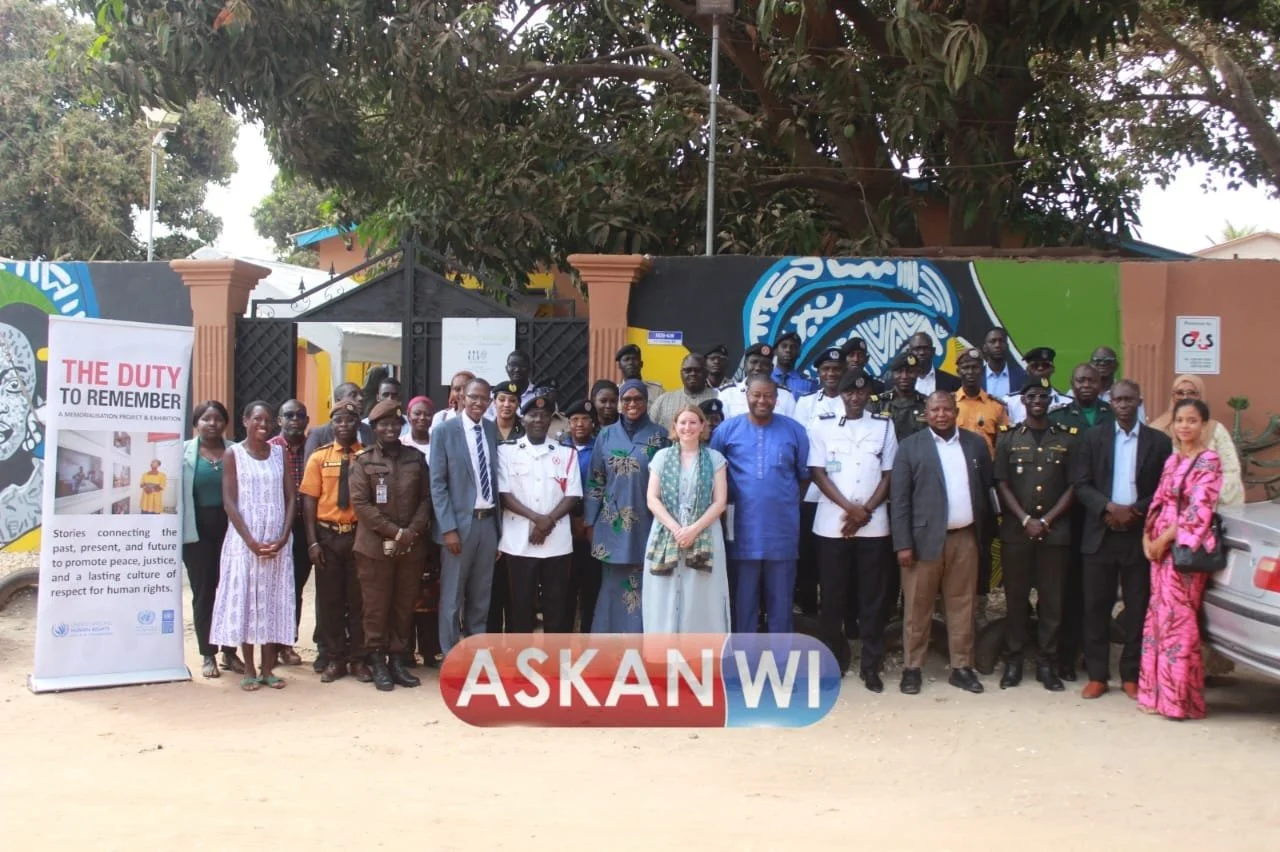
ANEKED Event Group Photo © Askanwi
By Edward Francis Dalliah Jr.
Nearly five years after The Gambia's Truth, Reconciliation and Reparations Commission (TRRC) documented killings, torture, enforced disappearances and other human rights violations committed by state security agents, ANEKED Country Director Ms Sirra Ndow has called for a people-centred approach to security sector reform, stressing that the ultimate goal to ensure that Gambians never again fear the institutions meant to protect them.
Speaking at the opening of a four day human rights and SSR training workshop held on Monday, 1st June 2026, at the ANEKED Memory House in Kanifing Layout, Ms Ndow said SSR must go beyond laws, institutions and equipment to focus on protecting human dignity and rebuilding public trust.
“Our reality demands a people-centred approach to reform. Security is not simply about equipment, laws, or institutions. Security is essentially about people security. It is about protecting human dignity, building trust between citizens and institutions, and ensuring that never again will any Gambian fear the very institutions that are meant to protect them,” she said.
The workshop forms part of a pioneering initiative aimed at institutionalising human rights education within country’s security sector through memorialisation. The programme is being implemented by the ANEKED in partnership with the National Human Rights Commission (NHRC), the Office of National Security (ONS), and the University of The Gambia Centre for Transitional Justice and Sustainable Peace (UTG-CTJSP).
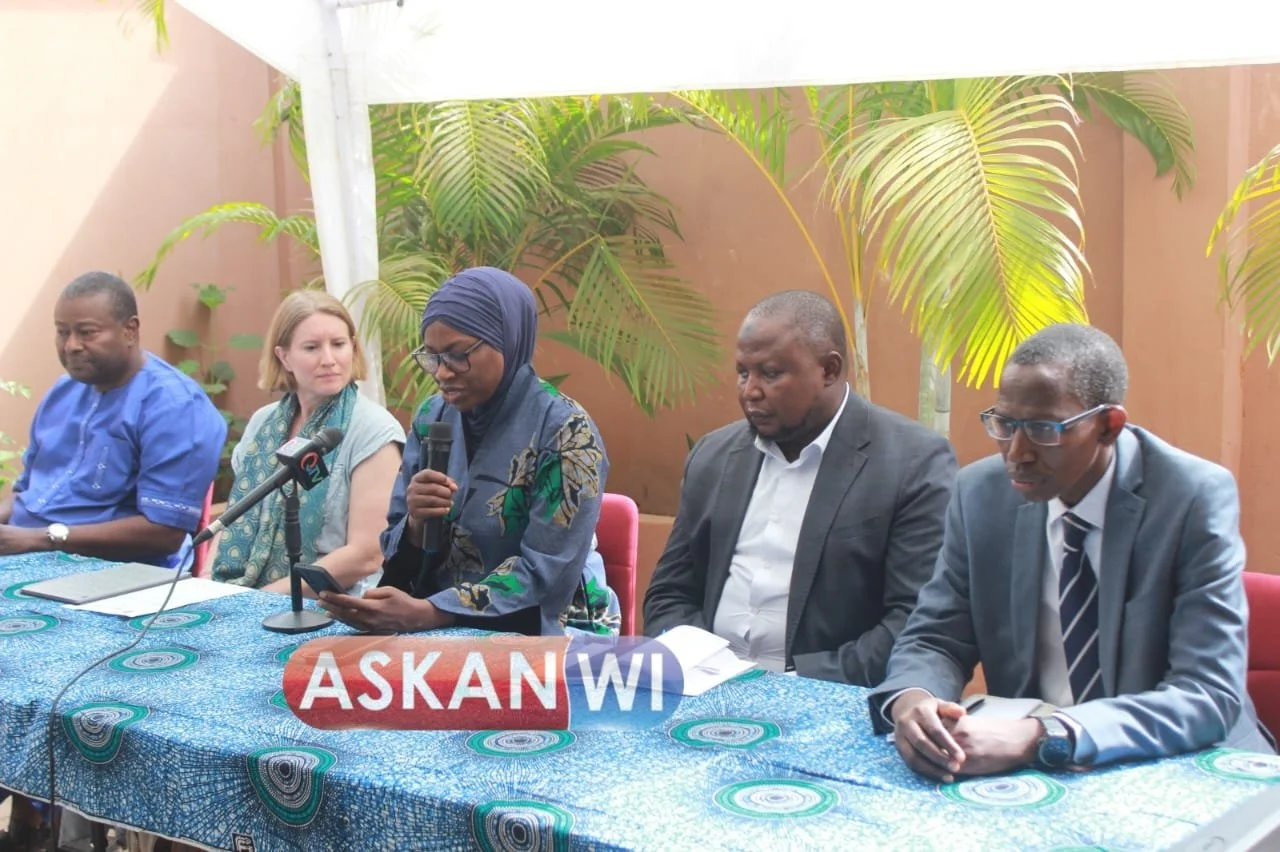
ANEKED Event High Table © Askanwi
The initiative is rooted in recommendations of the TRRC, which found that serious human rights violations were committed during the 22-year rule of former President Yahya Jammeh. Through testimonies from victims, survivors and former state officials, the Commission documented unlawful killings, torture, enforced disappearances, arbitrary arrests and detention, sexual violence and other abuses that were often carried out or facilitated by members of the country's security apparatus.
The violations documented by the TRRC significantly eroded public confidence in state institutions and underscored the need for far-reaching SSR aimed at restoring accountability, professionalism and public trust.
Despite significant investment in security sector reform since the democratic transition, questions remain about the pace of change. According to a publication by Malagen, The Gambia received more than D7.2 billion in international funding between 2017 and 2025 to support reforms in the security sector. However, the publication noted that eight years into the reform programme, which promised to replace colonial-era laws governing the country’s security institutions, no new security sector legislation had yet been enacted.
Ms Ndow highlighted that ANEKED's commitment to the initiative stems from its close connection to victims and families who continue to live with the consequences of past abuses.
“As an organisation established by victims and families affected by extrajudicial killings and enforced disappearances, we understand the devastating consequences when security institutions lose sight of their constitutional mandate and the people they serve,” she noted.
According to her, while significant policy and legal reforms have been undertaken since the democratic transition in 2017, sustainable reform requires more than changes to laws and structures. It also requires a transformation in institutional culture, values, leadership and engagement with the public.
The programme introduces memorialisation as a learning and professional development tool for security personnel. Through engagement with Memory House, victim testimonies, TRRC findings and human rights frameworks, participants are encouraged to reflect on past abuses, understand the consequences of unlawful conduct and strengthen their commitment to democratic policing, military professionalism, accountability and respect for human rights.
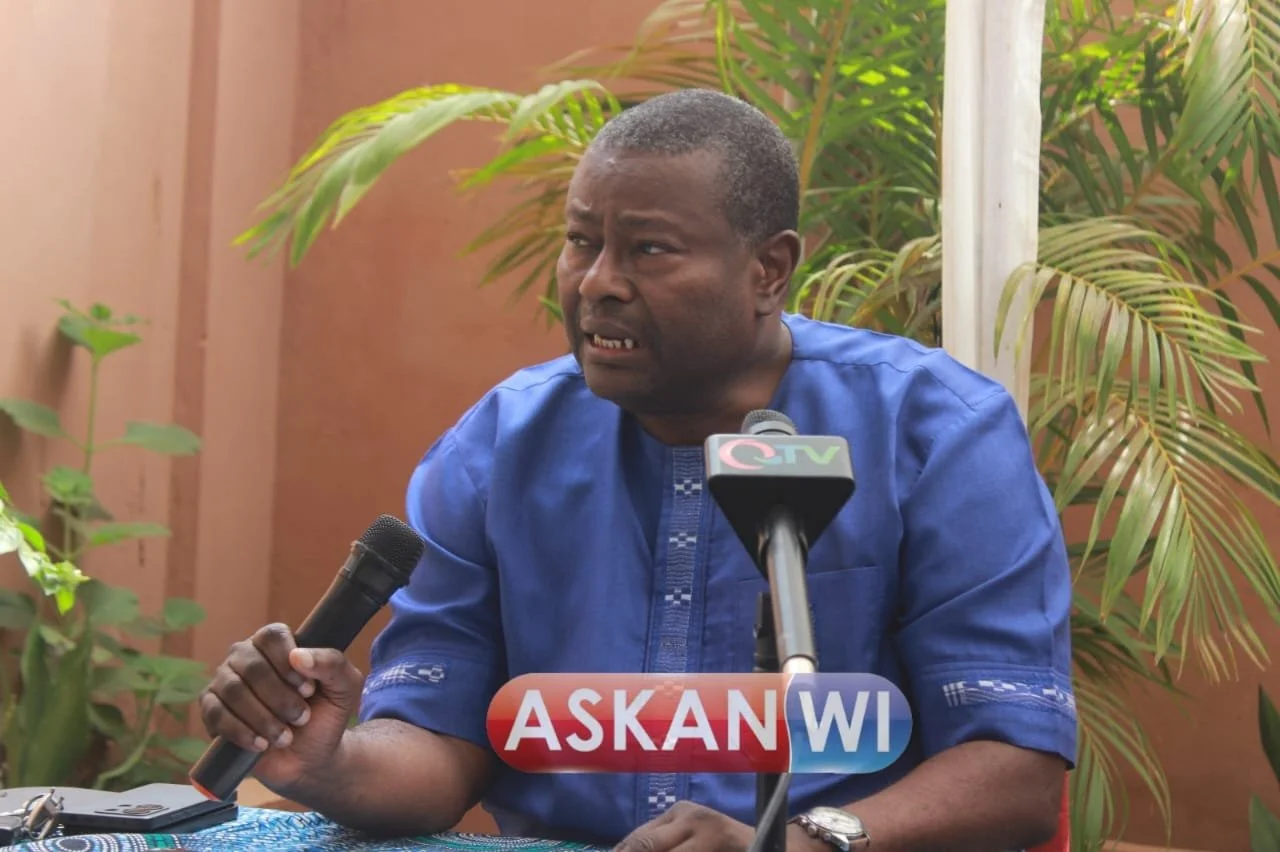
NHRC Chair Mr Joof © Askanwi
Representing the ONS, Mr Mulai Colley said “true reform requires a transformation of culture, memory and practice. It demands that we confront past violations, listen to victims, and embrace respect for human rights in the daily work of our security sector.”
Addressing participants, NHRC Mr Emmanuel Joof noted that, “the findings of the TRRC remind us of the devastating consequences that can arise when state institutions operate without adequate accountability, without oversight, and without respect for human dignity.”
He added that “the TRRC process also provided us with an opportunity to reflect, to learn and to undertake reforms aimed at ensuring that such violations never happen again.”
Chairperson Joof stressed that, “security sector reform remains a critical national priority. The objective of security sector reform is not merely institutional restructuring. It is about transforming institutional culture, strengthening professionalism, promoting accountability, and ensuring that security institutions serve and protect all persons without discrimination and in accordance with the Constitution and international human rights standards.”
Nevertheless, he warned that “human rights cannot flourish where security institutions lack public trust or are unable to effectively perform their mandate.”
The pace and effectiveness of SSR have continued to attract public scrutiny, particularly following recent allegations of excessive use of force during arrests, arbitrary detention, torture and the indiscriminate use of tear gas during public assemblies.
The opening ceremony also featured a guided tour of Memory House, The Gambia's first permanent memorialisation centre dedicated to preserving the memory of victims of human rights violations committed during the Jammeh era.
