
EFSCRJ: Gambia Government's Plans to Control Press Will Weaken Democracy
By the Edward Francis Small Center for Rights and Justice (EFSCRJ), 16th March 2026
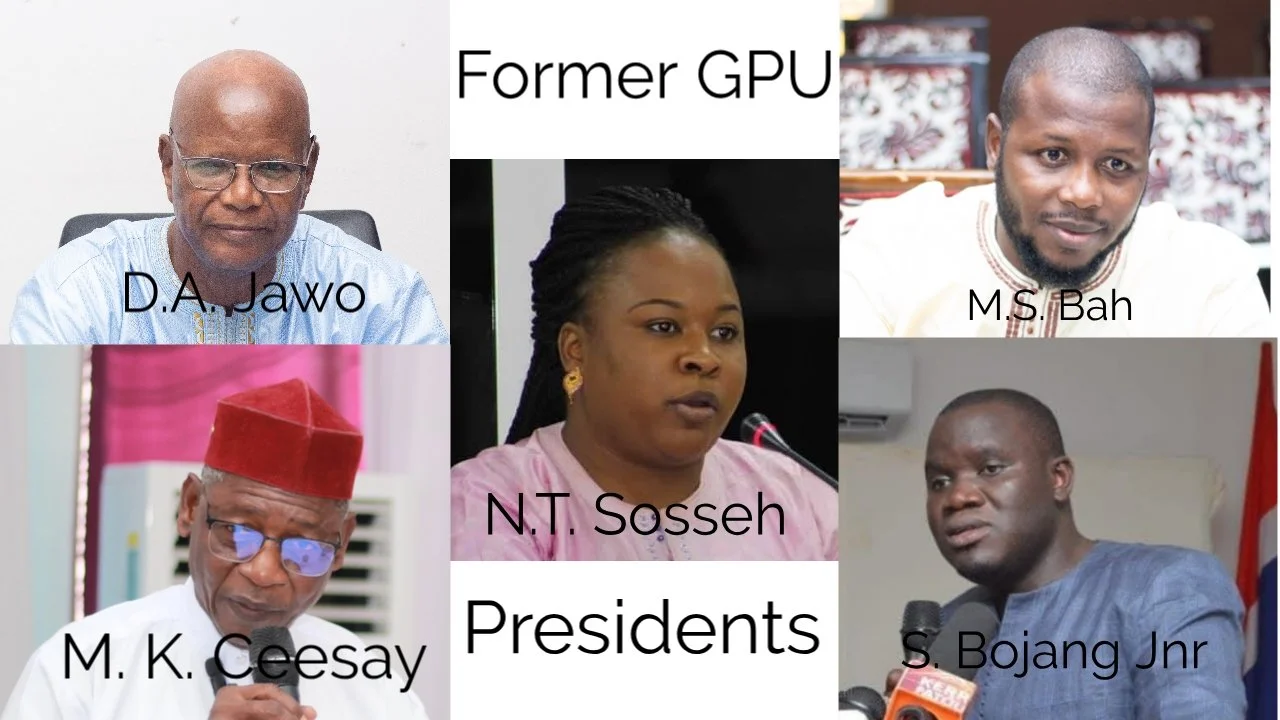
EFSCRJ Stands in Solidarity with Former GPU Presidents on Threats to Press Freedom
The Edward Francis Small Centre for Rights and Justice expresses its strong solidarity with the former presidents of the Gambia Press Union (GPU) regarding their public statement raising serious concerns about the proposed National Press Accreditation Policy and the Broadcasting and Online Content Regulations, 2025 by the Ministry of Information.
The statement by the former GPU presidents rightly reminds our nation of the painful history of media repression in the Gambia and the sacrifices made by journalists who defended press freedom even in the face of intimidation, imprisonment, exile, and the tragic killing of veteran journalist and former GPU president Deyda Hydara. Their warning that the proposals by the Ministry risk reintroducing elements of “permission-based journalism” must therefore be taken seriously by all Gambians.
EFSCRJ shares these concerns and believes that several provisions contained in both the proposed Press Accreditation Policy and the Broadcasting and Online Content Regulations, 2025 pose significant threats to press freedom, civic space, and democratic accountability.
Our Key Areas of Concern
1. Mandatory Registration and Accreditation of Journalists
Both the accreditation policy and the regulations introduce mechanisms that require journalists to register, obtain accreditation, or be approved by the State before practising journalism. This proposal is deeply troubling because it effectively gives the executive branch the power to determine who qualifies as a journalist, including the ability to suspend or revoke such recognition. International human rights law is clear that governments must not license or register journalists as a condition to practice journalism. Such systems are widely recognised as tools used by governments to control the media and silence critical voices.
If implemented, this system would undermine the independence of journalists, expose journalists to political pressure and intimidation, and create a chilling effect on investigative reporting and public interest journalism.
2. Executive Control Over Media Regulation
The regulations grant extensive powers to the Minister of Information and government regulators to oversee licensing, accreditation, and enforcement decisions affecting media operations. This concentration of authority in the executive branch contradicts international standards which require independent media regulatory bodies free from political influence. Allowing government officials to determine licensing conditions, accreditation frameworks, and compliance measures risks turning media regulation into an instrument of political control rather than democratic governance.
3. Regulation of Online Speech and Social Media
The regulations introduce a new category of “Social Media Users with Significant Public Reach (SPURs)”, requiring individuals who operate influential social media platforms to register with authorities before engaging in monetised online activities. This measure raises serious concerns for digital freedom and civic participation.
In an era where citizens increasingly rely on digital platforms to share information and engage in public discourse, such requirements could easily be used to restrict independent voices, bloggers, digital journalists, and activists. The risk is that citizens who criticise government actions or expose corruption may face regulatory pressure or sanctions simply for exercising their constitutional right to free expression online.
4. Vague and Overbroad Content Restrictions
The regulations contain several provisions restricting content deemed to threaten public morality, public order, or public feeling, without clearly defining these concepts. Such vague language creates wide discretion for regulators to interpret and enforce the law in ways that may suppress legitimate journalism, criticism of public officials, or reporting on sensitive issues. In practice, these types of provisions are frequently used in many countries to punish journalists who expose corruption, investigate abuses of power, or question government decisions.
5. Expanded Surveillance and Monitoring Powers
The regulations require broadcasters and online platforms to monitor content, maintain records, and provide information to regulatory authorities upon request. While oversight mechanisms may be necessary in certain circumstances, such provisions risk creating indirect surveillance of journalists and media houses, potentially undermining editorial independence and the protection of journalistic sources. A free press cannot function effectively where journalists operate under the constant possibility of monitoring or regulatory sanctions.
Why This Matters for Democracy
Press freedom is not a privilege for journalists. It is a fundamental right of citizens to receive information and hold power accountable. When journalists must seek government permission to operate, it is not only the media that is silenced but also, more seriously, the public’s right to know is diminished. These policy and regulation effectively undermine the function of the media as stipulated in Section 207 of the 1997 Constitution, which guarantees media freedom and places an obligation on them to hold the Government accountable on behalf of the people.
A vibrant and independent media environment is essential for transparency in governance, the fight against corruption, protection of human rights, and the strengthening of democratic institutions. Any policy or regulation that undermines these functions ultimately weakens democracy itself.
EFSCRJ’s Position
In light of the serious concerns outlined above, EFSCRJ calls for the immediate withdrawal of the proposed National Press Accreditation Policy and the Broadcasting and Online Content Regulations, 2025 in their current form.
We urge the Government to instead initiate genuine consultations with journalists, civil society organisations, legal experts, and international media freedom bodies to develop reforms that strengthen media professionalism without compromising press freedom.
In particular, the Government should prioritize:
1. Strengthening the Media Council of the Gambia, the country’s established selfregulatory mechanism for media ethics and accountability,
2. Supporting initiatives that enhance journalistic professionalism and media sustainability, and
3. Ensuring that any regulatory framework fully complies with constitutional guarantees and international human rights standards.
Standing Together for Press Freedom
EFSCRJ stands firmly with the former GPU presidents, the leadership of the Gambia Press Union, journalists across the country, and all defenders of press freedom. The freedoms enjoyed today were secured through the courage and sacrifice of journalists and citizens who resisted repression and demanded democratic change. Those hard-won freedoms must not be weakened through policies that risk returning the country to an era where journalism required permission from the State. Free press strengthens democracy. A controlled press weakens it.
