
Gambia Inter-Religious Council © Askanwi Media
By Haddy Ceesay
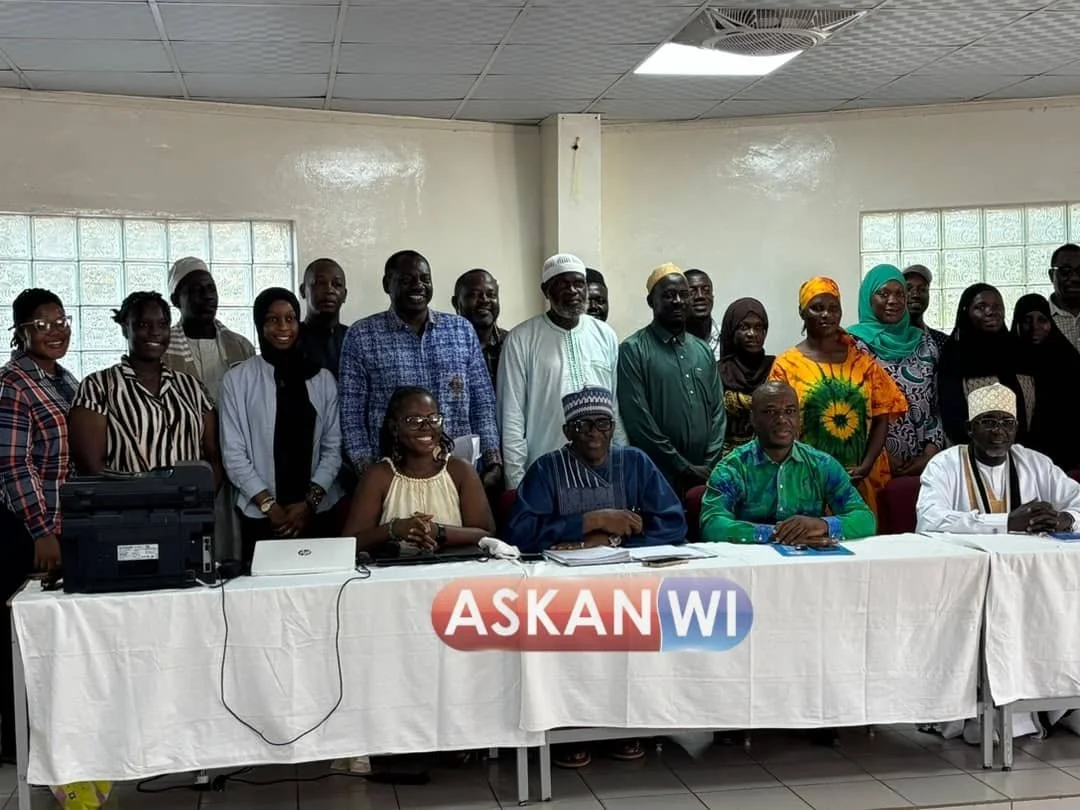
As The Gambia prepares for the 5th December 2026 presidential election, the Gambia Inter-Religious Council (GIRC) convened religious leaders, community representatives and social media influencers to develop messages focused on child protection, peaceful coexistence and social stability on Thursday 22nd October 2026.
The engagement aimed to strengthen cooperation among religious institutions, communities and digital influencers in preventing children from being exposed to political exploitation, violence, hate speech and harmful online content during the electoral period.
The day-long meeting, held at the Christian Council Conference Centre, was funded by the United Nations Children’s Fund (UNICEF) under the theme “Protecting Children and Strengthening Community Resilience”.
The initiative comes at a time of increased political activity, as politicians campaign for public support and party supporters engage in heated online exchanges involving hate speech, misinformation and harmful content directed at political opponents.
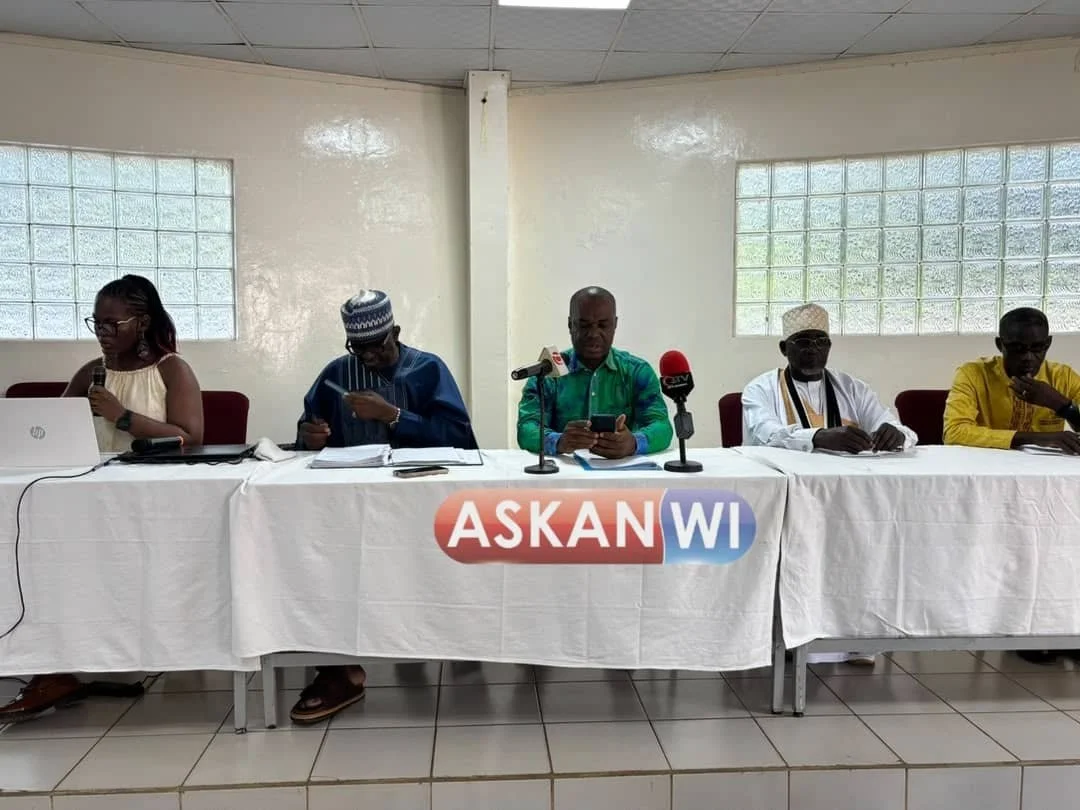
Speaking at the opening ceremony, GIRC National Coordinator Imam Basirou Drammeh said political tensions during election periods often heighten the risks of hate speech, online abuse and religious polarisation, with children among those most affected.
He stressed that the engagement was more than an opportunity for speeches, describing it as a platform for participants to jointly develop practical and convincing messages based on religious, traditional and universal human rights values.
“Our children must never be exploited, weaponised, or used as tools in party politics or political rivalries,” he emphasised.
Imam Drammeh called for messages that encourage interfaith understanding, civic tolerance and peaceful political campaigns. He stressed that political differences should not divide communities along religious, ethnic or sectarian lines.
He explained that the messages developed during the engagement would be turned into audio voice notes and shared through community radio broadcasts, social media campaigns and other communication channels across the country’s seven administrative regions.
He thanked UNICEF for supporting the initiative and recognised the contributions of government institutions, regional authorities and other partners.
Gambia Inter-Religious Council © Askanwi
The Deputy Representative of UNICEF in The Gambia, Armand Gnahore, said elections were an important part of democratic life, giving citizens the opportunity to participate peacefully in shaping the future of their country.
However, he cautioned that political competition could also lead to tensions, misinformation and violence, creating unsafe conditions for children.
According to Gnahore, children may face political manipulation, physical violence, disruptions to education, interruptions to essential services and online abuse during election periods.
He added that the growth of digital platforms had created new opportunities for public participation and information sharing but had also increased the spread of hate speech, misinformation and harmful content.
He emphasised the need for child-sensitive political processes and responsible public discussions to ensure that every child remains safe and protected before, during and after the elections.
Gnahore reaffirmed UNICEF’s commitment to working with the GIRC, religious communities and social media influencers to promote responsible communication, peaceful civic participation and stronger community resilience.
Representing the Supreme Islamic Council, Imam Ousman Jah welcomed the initiative and expressed hope that the discussions would lead to meaningful resolutions for the country and its children.
Meanwhile, Lamin Nyassi, representing the National Council for Civic Education (NCCE), also welcomed the initiative, saying the proposed messages would complement the council’s civic education activities.
Participants were encouraged to develop practical, culturally appropriate and inclusive messages to help political actors, communities and other stakeholders protect children’s rights and welfare throughout the electoral process.
As The Gambia moves towards the 5th December 2026 presidential election, the initiative underscores the importance of responsible political communication and collective efforts to prevent electoral tensions from threatening children’s safety, community relations and national stability.
