
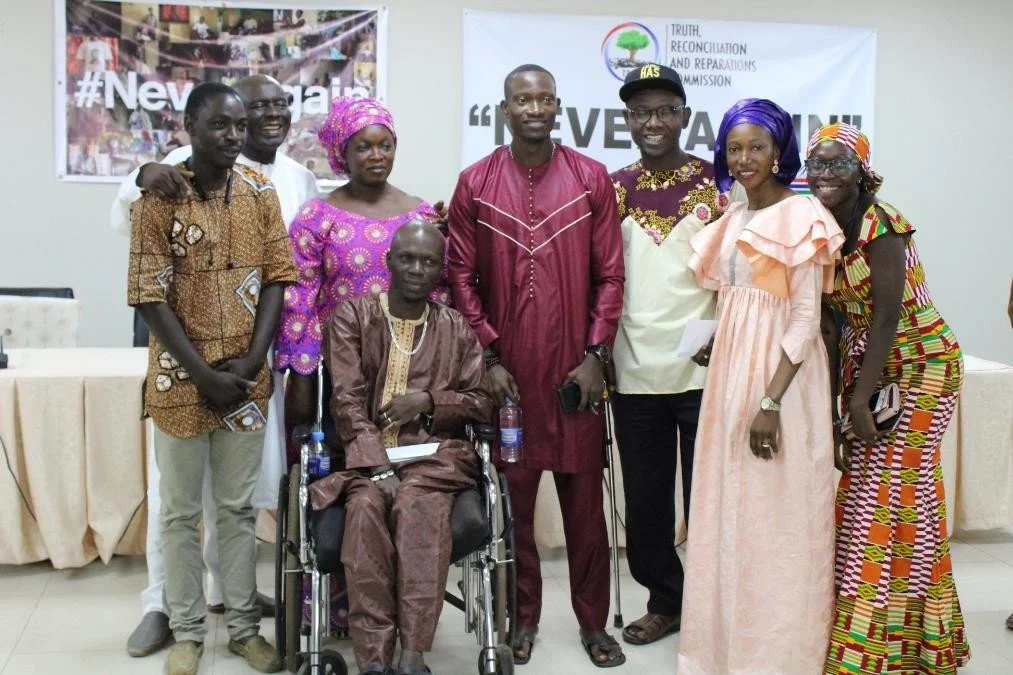
TRRC Reparations Meeting where Victims were awarded flight tickets to Turkey © TRRC
By Yusef Taylor, @FlexDan_YT
The Truth Reconciliation and Reparations Commission (TRRC) flew four victims who testified before the Commission to Turkey in December 2019 for urgent medical treatment. Three of the victims returned from Turkey in late 2020, with one still receiving treatment in Turkey. This article aims to highlight some of the lessons learned during the interim reparations process.
The TRRC’s Interim Report highlights that “urgent interim measures are being applied in respect of urgent cases that warrant immediate remedial action.” According to a 2018 Commonwealth report, “Turkey has signed a Power Protection Agreement with The Gambia, offered training to the security forces, and offered to treat nine victims that the Victims Centre has identified as in great need, provided their airfare can be found.”
The Interim Report highlights that the victims who travelled to Turkey were “Yusupha Mbye, Oumie Jagne, and Abdou Karim Jammeh, survivors [of] gunshot wounds during the 10th/11th April, 2000 student massacre, and Nogoi Njie, a victim of the 14th April, 2016 protest for electoral reforms led by the late Ebrima Solo Sandeng.”
Out of the victims who travelled to Turkey, Yusupha Mbye is still in Turkey receiving medical treatment, while three of the other victims returned home towards the end of 2020. Speaking to Abdou Karim Jammeh, he explained that he has successfully received treatment in Turkey and is currently recovering from his injuries. Several attempts were made to contact Nogoi Njie, but to no avail.
One of the 10th April 2000 victims, Oumie Jagne, has told Gainako Online News that gunshot wounds she suffered from the 10th April 2000 protest have worsened after she completed two operations in Turkey in November 2020.
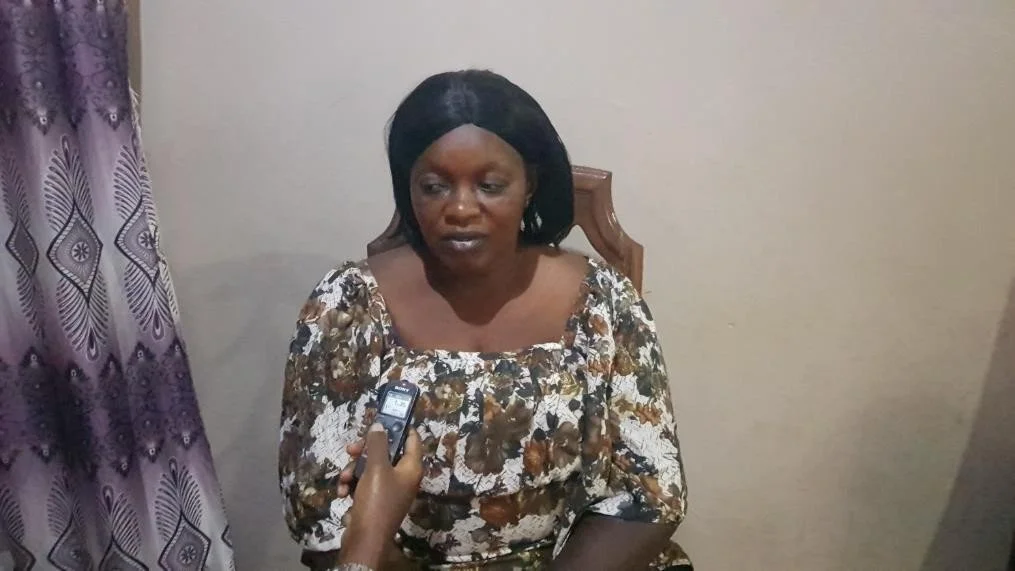
Oumie Jagne - April 10-2000 Victim Photo (c) Yusef Taylor
Life Before the Turkish Trip
Oumie was only 14 when she was shot twice in her left elbow by paramilitary officers. According to her narration, she ran to her younger sister’s aid after she was stripped of her clothes by security officers. As she ran to meet her sister to cover her up, she was shot twice in the elbow by what she believed to be an AK-47 rifle.
Some of the bullet casing shells were still lodged inside her arm; however, Oumie says she could work with her arm and do the house chores like the laundry and cooking. Unfortunately, since returning from Turkey, she hasn’t been able to do any house chores or work for herself.
Explaining life before the Turkish trip, she said that “Before the treatment I could work with my arm; for 20 years I have been with this injury, and I used to work with it, but since I returned home, I have not been able to use my arm.”
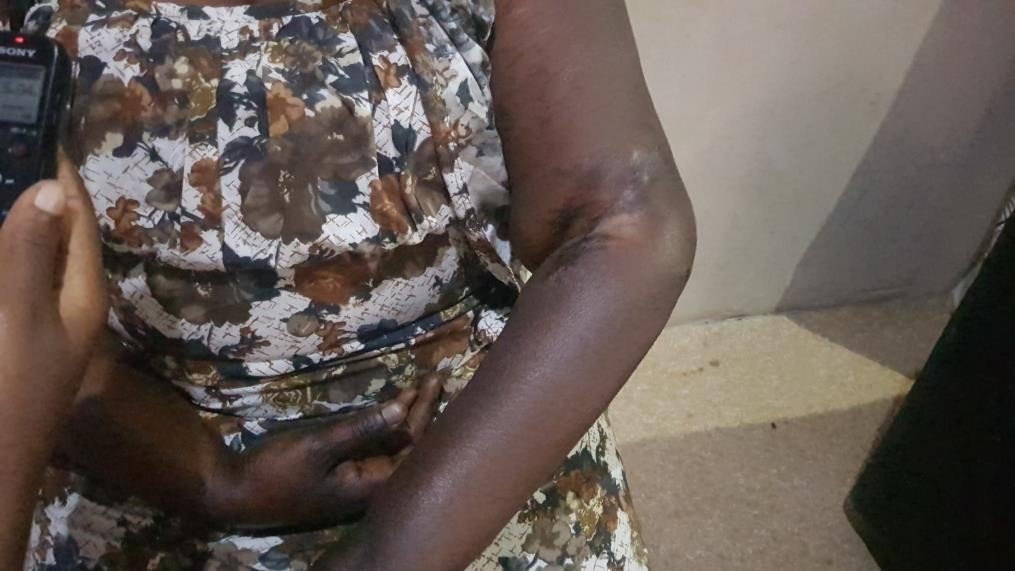
Oumie Jagne’s disfigured arm - 10th April 2000 Victim Photo (c) Yusef Taylor
Turkish Medical Trip
Speaking about the medical trip to Turkey, Oumie explained that while receiving treatment, the remains of the bullet shell casings were removed. “I was doing physio, then my hand began to swell, likewise my fingers, and I was unable to do anything with my hand,” she said.
“In Turkey I did [two] operations there; however, to date, my arm has worsened, and I can’t have any peace of mind.” After the operation, “I did an X-ray, and I was informed by the doctors that the arm is not in great shape,” she said.
“I was discharged from the hospital, and the doctor told me that they have tried their level best with my hand. I then requested for a medical report from them to send [it] back to the Truth Reconciliation and Reparations Commission [TRRC] in order for them to get my ticket to come back home.”
After the two surgeries, “they wanted to do the third one, but my escort told them not to; the TRRC will figure out a way when we go back to the Gambia,” she narrated.
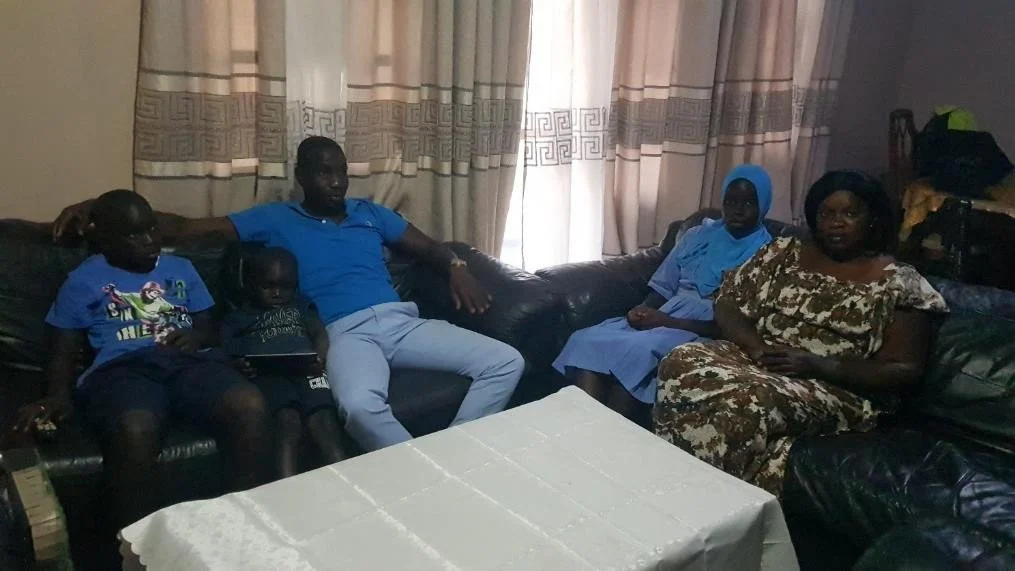
Oumie Jagne (right) Husband and Children - 10th April 2000 Victim Photo (c) Yusef Taylor
Life Impact and Call for Help
The Turkish trip has drastically impacted Oumie’s life. According to her, “The injury has worsened, and my husband has been taking care of me and the kids. He does the washing because I can’t do anything, and I feel hopeless. If I have any problem, I usually reach out to my family, who usually helps me with some money to take care of the children.”
“My children will ask me, ‘Mama, since you came back from Turkey, your hand has worsened? But with the help of God, you will surely recover, especially if you get the support to go to another country. You used to do everything for us, but now, you and Dad are not working.”
Still determined to pursue justice and reparations Oumie is demanding that “the perpetrators who are responsible for this injury should be brought before the law and justice delivered. We need reparations so people can understand how we are surviving with pain since the injuries.”
Oumie is currently waiting for the doctors to complete her medical report and for the Victims Center to assist her. She is “calling on the TRRC to help [her] out again because the pain in [her] arm is really disturbing. I have three kids to take care of, and I am renting where we stay, and I have nobody to assist me apart from my husband. I am pleading for help to treat my arm to go back to my business.”
Interim reparations are for victims in need of urgent remedial action. Although some of the victims that benefitted from the treatment are making progress, Oumie Jagne and Yusupha Mbye’s case highlights that all victims should be provided sufficient medical treatment to fully recover. When victims suffer chronic illness after the violence, they should also be provided regular free access to medical treatment. Reparations are meant to improve the life of the victims, not the contrary. If Oumie is not provided urgent medical attention, she could lose her arm.
