
Nipah Virus Outbreak in India Raises Regional Fears
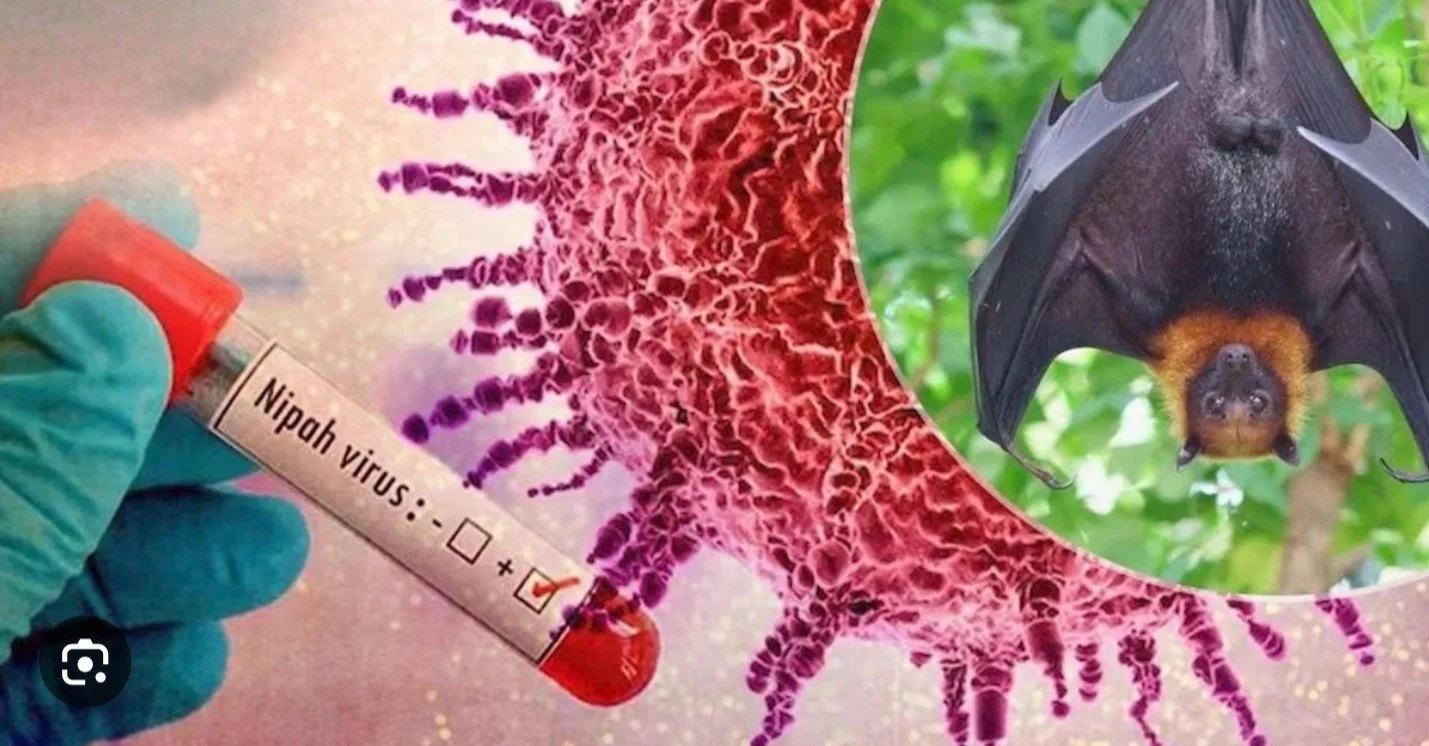
Nipah Virus Cover Photo © NCH Stats
By Fatoumata Jaiteh
Health authorities across South Asia are on heightened alert following the confirmation of the new Nipah virus cases in India’s West Bengal state in late December 2025. The outbreak, which has claimed two lives, has prompted Nepal to intensify screening at its borders amid growing concern over the virus’s deadly potential.
According to the BBC, two cases of Nipah virus infection were confirmed in West Bengal in December 2025, both reportedly involving healthcare workers. India’s health ministry said nearly 200 people who came into contact with the infected individuals were swiftly identified, traced, monitored, and tested. “Some 196 people who were in contact with them have been traced and tested negative for the virus,” the ministry said, adding that all contacts were asymptomatic.
Officials insist the situation is under control. “The situation is under constant monitoring, and all necessary public health measures are in place,” India’s health ministry said in remarks quoted by the BBC.
Despite the reassurance, neighbouring countries are not taking chances. Nepal has begun screening passengers arriving at Kathmandu’s Tribhuvan International Airport and at major land border crossings with India. The measures reflect concern over the ease of cross-border movement and the severe consequences an outbreak could have in a country with limited healthcare resources.
Thailand has also tightened precautions. As reported by the BBC, authorities have started screening passengers at three international airports in Bangkok and Phuket that receive flights from West Bengal. Travellers from those flights are now required to submit health declarations, echoing protocols widely used during the COVID-19 pandemic.
Although no cases have been reported outside India so far.
The World Health Organization (WHO) has long classified Nipah virus as a high risk pathogen. “Nipah virus is a virus found in animals but can also affect humans,” the WHO explains. Infected individuals may develop fever alongside symptoms involving the brain, “such as headache or confusion,” or the lungs, “such as difficulty breathing or cough.”
First identified in 1998 during an outbreak among pig farmers in Malaysia, Nipah virus has since been reported in Bangladesh, India, Malaysia, the Philippines, and Singapore. The WHO estimates the virus’s case fatality rate at between 40% and 75%, making it significantly more lethal than COVID-19.
“Fruit bats of the Pteropodidae family are the natural host of Nipah virus,” the WHO says, noting that transmission to humans can occur through direct contact with infected bats or other animals, consumption of contaminated food, or close contact with infected people. Human-to-human transmission has been documented, particularly in healthcare settings and among family caregivers.
The risks, experts warn, are compounded by the absence of a proven cure. “There is currently no treatment or vaccine available for Nipah virus,” the WHO states, although several candidate products are under development. Early and intensive supportive care, it adds, can improve survival.
Symptoms typically appear within three to 14 days of infection, though incubation periods of up to 45 days have been reported in rare cases. Severe illness is often associated with neurological complications, including brain swelling (encephalitis), which can lead to death. Even among survivors, long-term neurological problems have been reported in about one in five cases, according to the WHO.
Public health specialists say these characteristics of animal-to-human spillover, person-to-person transmission, high mortality, and lack of a vaccine place Nipah in the same danger category that once made COVID-19 a global crisis.
For now, authorities across the region stress vigilance rather than panic. Enhanced screening, contact tracing, and infection prevention measures in hospitals are seen as critical to preventing wider spread. As Nepal and its neighbors remain watchful, the latest Nipah outbreak serves as a stark reminder of how fragile public health security can be and how closely the world continues to watch when deadly viruses resurface.
