
Police Restrict Opposition Campaigns Due to President Barrow’s Meet the People’s Tour
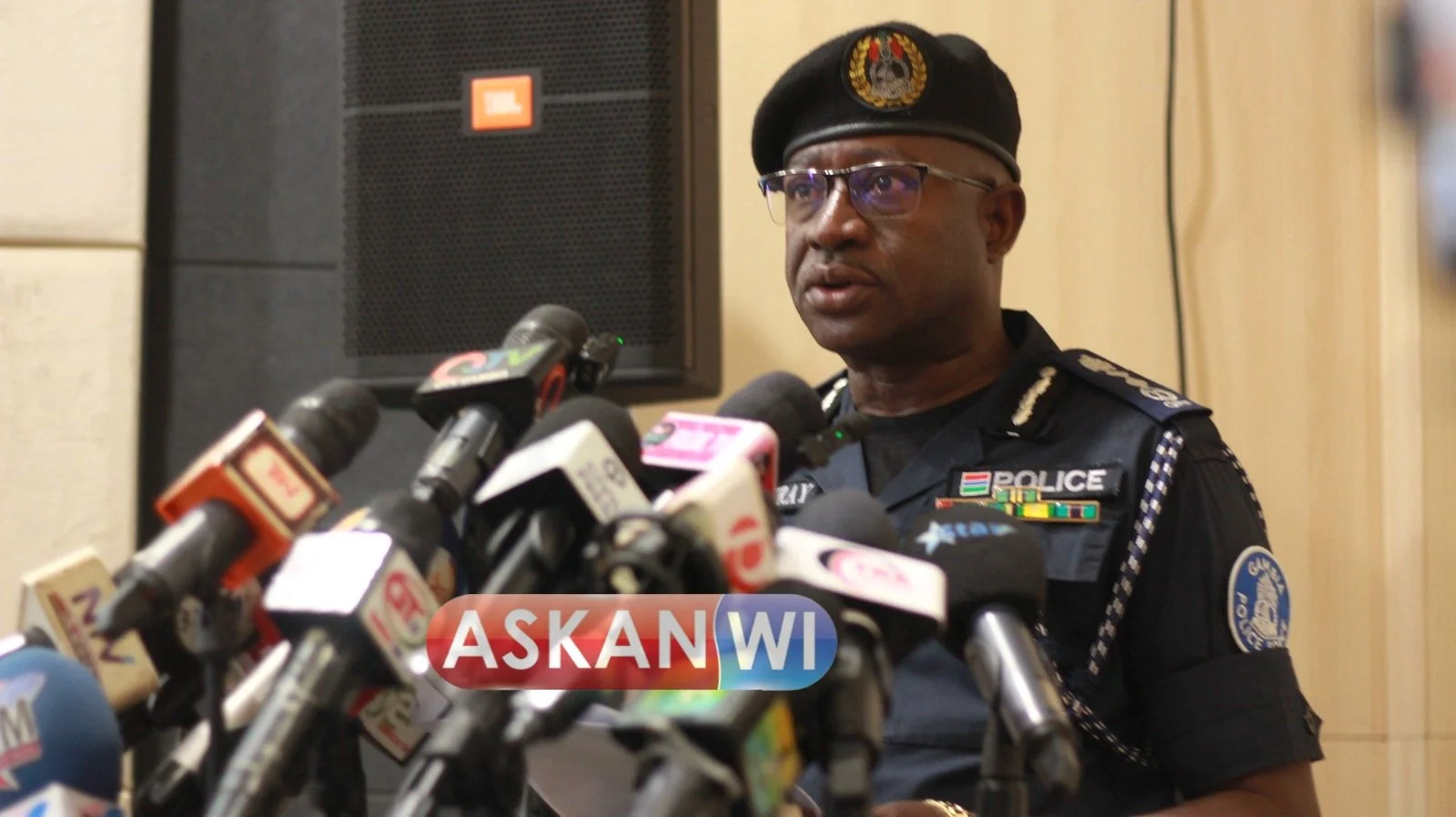
By Fatoumata Konteh
The recently concluded Meet the People’s Tour of President Adama Barrow has sparked constitutional concerns after two opposition parties accused the police of denying them permission to conduct political activities until the tour's conclusion.
The controversy comes amid growing political activity ahead of the 5th December 2026 presidential election, with opposition figures questioning whether the constitutional exercise is being used to advance partisan interests at a time when political parties should be able to engage freely with voters.
The 19-day tour, which began on 1st October and ended on 19th October, enabled the President to engage directly with citizens, assess their living conditions and evaluate the impact of government policies and development projects.
However, concerns have emerged over the reported restrictions on opposition activities, as well as allegations that political gatherings associated with the tour have been used to attack opposition leaders and promote divisive rhetoric.
The National Democratic Party (NDP) and the UNITE Party, whose party leader is leading the Coalition 2026, are among the political parties that have raised concerns over the reported police restrictions.
Lamin Conateh, the NDP’s senior administrative officer, told The Standard that the party had been prevented from proceeding with its planned regional bureau inauguration tour on 15th Thursday, October, 2026.
According to Conateh, police informed the party that its convoy would not be allowed to travel through Banjul to Barra because President Barrow was scheduled to depart Banjul at 5 p.m.
Conateh said the party had proposed alternative arrangements, including crossing to Barra a day earlier, but the proposal was also rejected.
He alleged that police officers repeatedly consulted higher authorities before communicating the decision to the party.
Similarly, the UNITE party campaign manager, MC Cham Jr, told The Standard that the police had refused permission for the party to hold meetings in Brufut and Old Yundum.
Also, its leader and presidential candidate, Mayor Talib Ahmed Bensouda subsequently questioned the constitutional basis for the reported restrictions, arguing that the President’s tour should not prevent other political parties from exercising their rights to peaceful assembly and political expression.
The police had not publicly provided a detailed explanation for the reported restrictions at the time of publication.
Constitutional Questions
Section 222(15) of The Gambia’s 1997 Constitution provides for the President to undertake a nationwide tour at least twice a year to familiarise himself with prevailing conditions in the country and assess the effects of government policies.
The provision establishes the constitutional basis for the Meet the People’s Tour. However, it does not expressly designate the exercise as an election campaign.
Section 25 of the Constitution also protects fundamental freedoms, including freedom of expression, assembly, and association.
The reported restrictions have therefore raised questions about whether the President’s official programme can justify limiting the political activities of other parties.
Bensouda argued that the existence of the constitutional tour does not automatically permit restrictions on opposition activities.
He maintained that any limitation on political gatherings should have a lawful basis, be necessary and proportionate, and be applied fairly.
Although the authorities may regulate public gatherings for legitimate security and public-order reasons, the legal basis for the reported restrictions remains a central issue requiring clarification.
The Public Order Act provides a framework for regulating certain public processions. However, whether its provisions justify the specific decisions reported by the opposition would depend on the circumstances and the legal grounds relied upon by the authorities.
