
‘Politics Is Not Just for Men’: says Kotu-Manjai Women Ahead of Presidential Elections
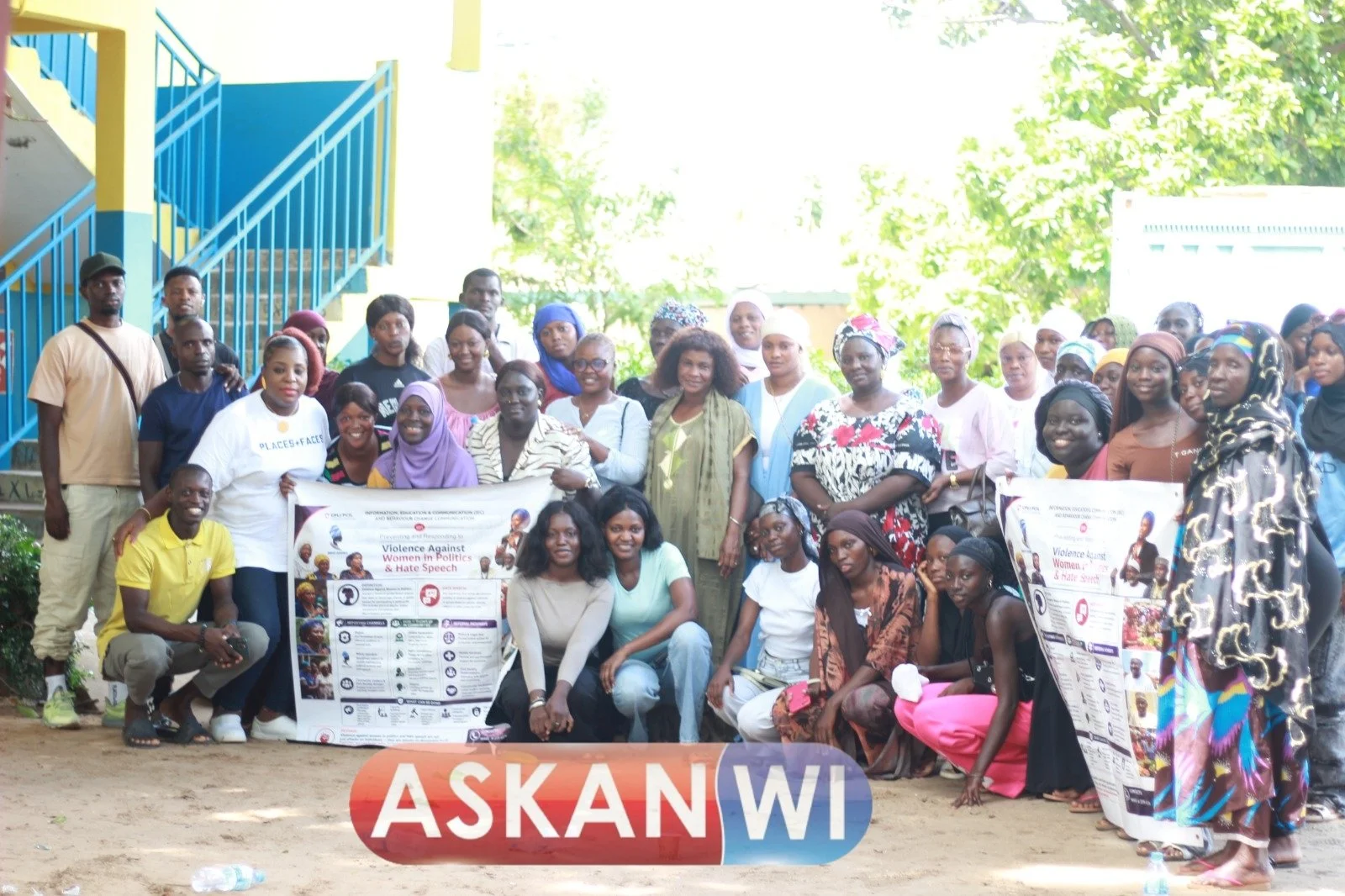
Group Photo of Manjai Women engagement © Askanwi
By Edward Dalliah, Jr.
As The Gambia approaches three upcoming elections from December 2026 to June 2027, women in Kotu-Manjai are calling for greater opportunities to participate in politics, warning that gender stereotypes, violence, and fear continue to undermine their role in leadership and decision-making.
For many women, the barriers to political participation begin long before they attend a campaign rally or consider running for public office. From the home to the wider community, societal expectations, fear of abuse, and self-doubt continue to shape how they see their place in leadership.
But for Marie Jallow and Sainabou Gibba, a community engagement organised by the Women Association for Women and Victims Empowerment (WAVE), with support from the Canada Fund for Local Initiative, has renewed their sense of possibility, as they believe that women can lead, influence decisions and challenge the inequalities that have kept them on the margins of politics and leadership.
According to Marie Jallow, society often reinforces ‘the belief that politics is exclusively for men, a stereotype she believes women must challenge.’ While adding that they possess “the potential, charisma and influence” needed to lead and contribute meaningfully to society.
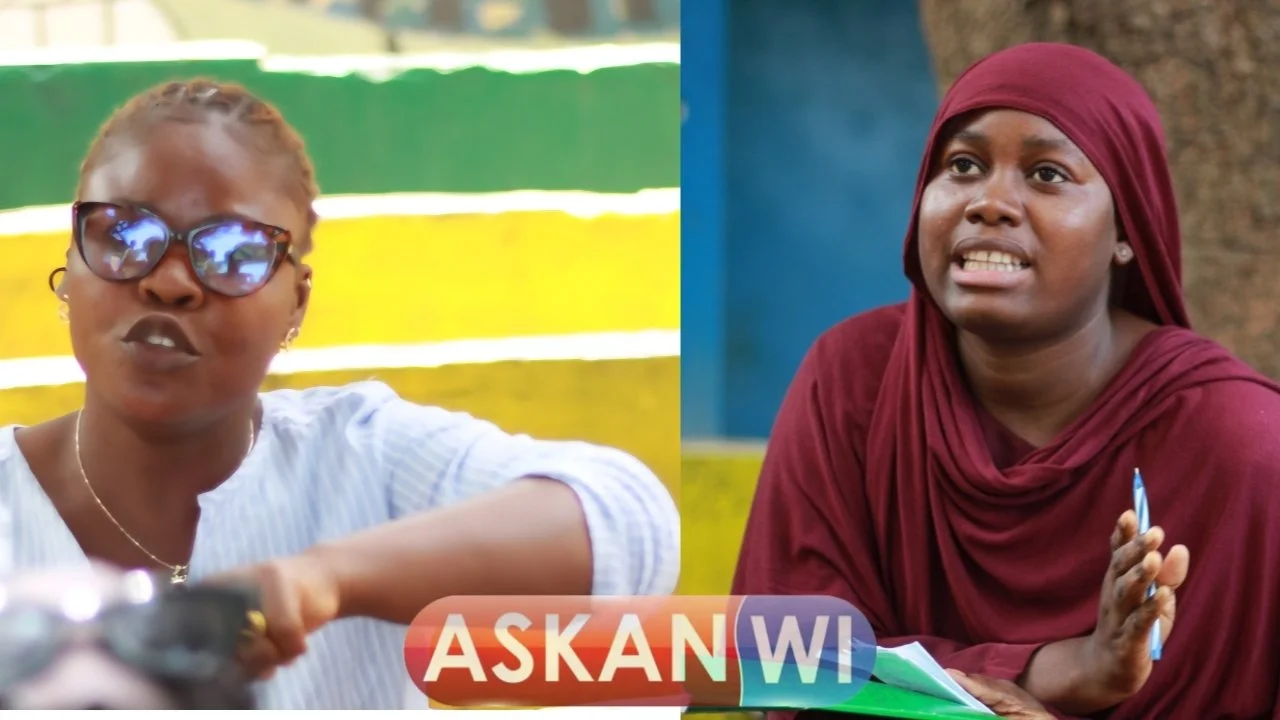
Sainabou Gibba (left) and Marie Jallow (right) © Askanwi Media
The engagement held on 10th October 2026 at Manjai in Swallow School brought community members from Kotu and Manjai together to discuss gender-based violence, hate speech and violence against women in politics. Additionally, it sought to encourage both women and men to challenge the barriers that prevent women from participating fully in political and decision-making processes.
Most of the concerns raised during the engagement reflect broader challenges identified in a report published by the Westminster Foundation for Democracy (WFD) in January 2026.
The report describes violence against women in politics as “one of the most persistent and structurally embedded obstacles to women’s political leadership.” It further stated that such violence “has been weaponised as a political strategy to preserve male dominance in political institutions and undermine women seeking to participate in or influence political processes.”
For Sainabou Gibba, one of the biggest challenges is that violence against women can become so normalised that victims struggle to recognise it as abuse.
She told Askanwi, “People are abusing us, and we are seeing it as something normal, which is not normal,” and therefore called for more frequent awareness-raising activities and community engagements to help women recognise abuse, understand their rights and gain the confidence to speak out.
Describing the engagement as a “wake-up call,” Gibba said such programmes were necessary because women sometimes endure abuse without realising that what they experience is unacceptable.
Her concerns highlight a significant challenge in addressing violence against women, which include the attitude that allow harmful behaviour to persist such as the culture of silence. However, she urged her colleagues not to “allow discrimination or discouragement” to silence them or prevent them from pursuing their ambitions.
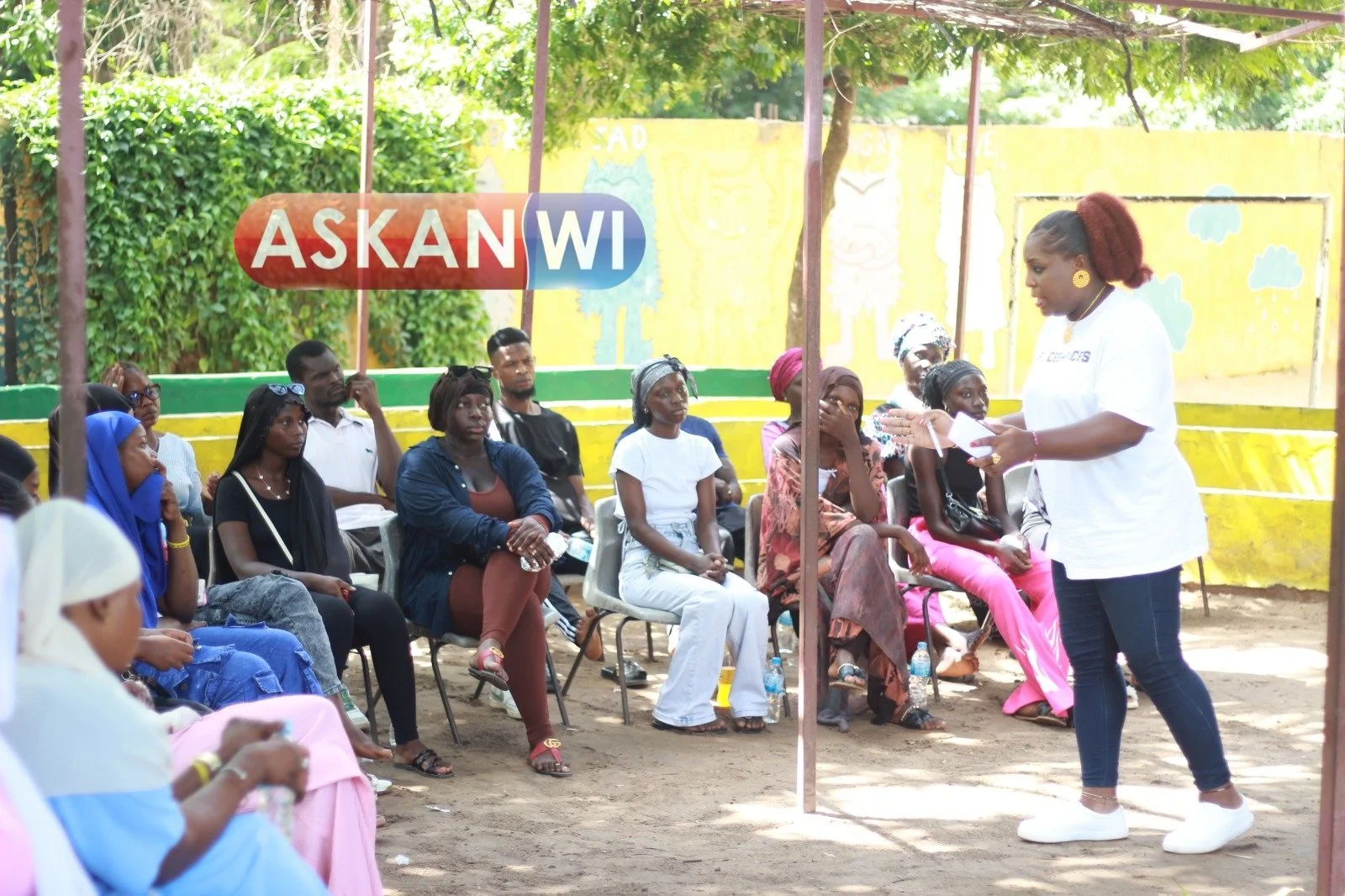
Dr Jane Nzenwa WAVE Development Specialist © Askanwi Media
Dr Jane Nzenwa, a Gender Development Specialist working with WAVE, also added her voice, pointing out that persistent gender inequalities continue to affect women’s participation in politics, particularly their representation as candidates and in decision-making positions.
She said WAVE has been engaging communities in “Serekunda West, Lower Falladu West, Upper Saloum, Foni Brefet and Banjul North,” among others, to promote greater understanding of inclusive political participation and hate speech.
With the elections approaching, Dr Nzenwa said the initiative was motivated by the need to encourage women and men to sensitise their communities and advocate for equal participation in politics.
The objective, she explained, ‘is to ensure that everyone has an opportunity to participate in the political process, whether by contesting for public office or exercising their right to vote, without discrimination.’
As the country approaches its upcoming elections, the experiences shared by women in Kotu-Manjai with the WFD report point to a challenge that extends beyond encouraging women to vote or contest for office.
It also requires confronting the social attitudes, violence and fear that can prevent women from exercising their political rights freely. And for Jallow and Gibba, changing these attitudes begins with recognising women’s abilities and refusing to accept discrimination and abuse as normal.
