
Despite 11 Torture Complaints, No One Has Been Prosecuted Under Anti-Torture Act
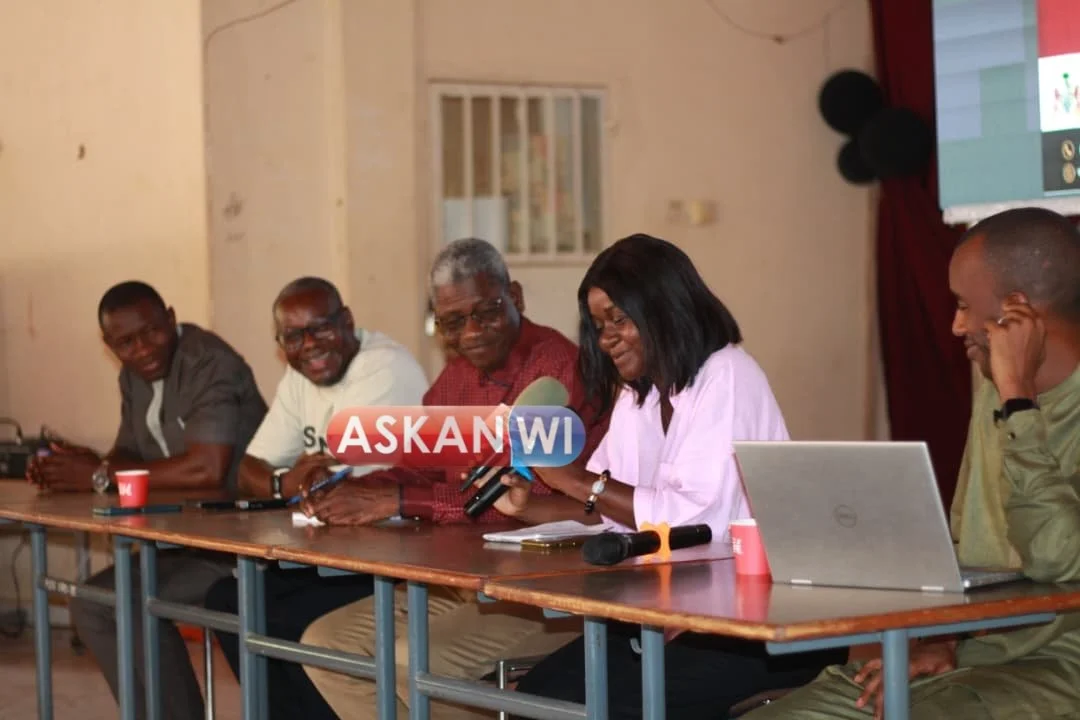
WAVE panel discussion on Torture © Askanwi Media
By Edward Dalliah, Jr.
The Gambia’s Prevention and Prohibition of Torture Act 2023 is facing renewed scrutiny after the National Human Rights Commission (NHRC) confirmed that it “received 11 allegations of torture” against security personnel in 2025. However, despite the law being in force for three years, no case has yet reached the courts, a magistrate has confirmed to Askanwi.
The issue was raised during the fourth Human Rights and Cultural Festival, “Echoes of Resilience,” organised by the Women Association for Women and Victims Empowerment (WAVE) in collaboration with the Manjai Kunda Village Development Committee at Kotu Senior Secondary School.
During a panel discussion, the NHRC disclosed that the 11 allegations against security officials were received in 2025. The Commission also revealed that it ‘received fresh allegations in 2026 from members of the Gambians Against Looted Assets (GALA)’ following their recent arrest at the Youth Monument. These allegations raise questions about the compliance of security personnel with the Prevention and Prohibition of Torture Act 2023 and the state's responsibility to investigate and prosecute alleged perpetrators.
The allegations also echo the findings of the Truth, Reconciliation and Reparations Commission (TRRC), which documented the widespread use of torture by state actors during the Jammeh era. Following the TRRC recommendations, the government enacted the Prevention and Prohibition of Torture Act 2023, criminalising torture and prescribing penalties of up to 15 years' imprisonment, a fine of up to one million dalasi, or both.
However, three years after the law was enacted, journalists were told that no one had been prosecuted under it. Responding to questions on whether any torture case had reached the courts, just after the penal discussion, Magistrate Peter Chea of the Basse Magistrates' Court said: “As I speak to you, now, there has been no case reported or tried by any magistrate in The Gambia when it comes to the Torture Act of 2023.”
Meanwhile, Mariama Sighateh of the Ministry of Justice's Post-TRRC Unit explained that while the law provides a framework for prosecution, cases must first be investigated and meet the required legal threshold before they can be filed in court.
She stressed that “even though there is the Prevention and [Prohibition] of Torture Act, there is a process to criminal investigation and prosecution. Cases need to be thoroughly investigated, meet the threshold, and then be brought before the court by the Ministry of Justice.” She added, “But as far as I am aware, the Ministry of Justice is yet to prosecute any case under the Torture Act.”
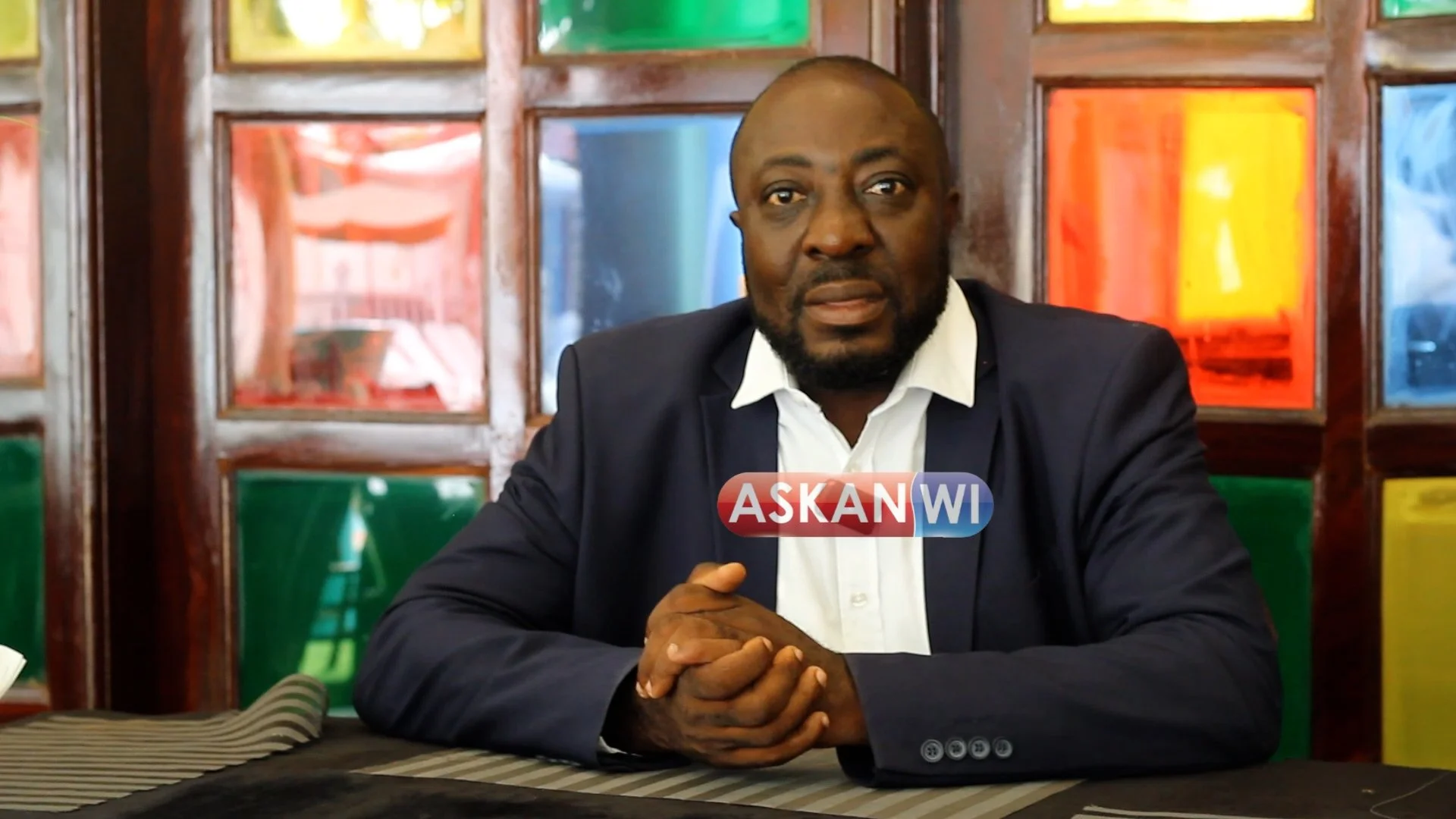
Magistrate Pete Chea © Askanwi Media
Despite a series of alleged torture incidents and human rights violations that the torture act is against, some of which were captured on video showing a security officer kicking an individual who had already been arrested during a public assembly last year, neither the Office of the Inspector General of Police nor the Ministry of Justice has publicly condemned such acts or announced any disciplinary or criminal action against those responsible most especially the officer captured on the video.
One notable example is the case of the late Omar Badjie of Mandinary, who died in September 2025. At the time, the police announced on their Facebook page that during a routine patrol conducted by officers attached to the Mandinary Police Post, officers encountered a group of young men suspected of smoking prohibited substances. According to the police statement, the group fled in different directions upon seeing the patrol team, and “one of the youth, identified as Omar Badjie, 27 years old, collapsed and lost consciousness while fleeing.”
Omar was later pronounced dead at the hospital. His death sparked protests, prompting the government to institute a coroner's inquest. The findings, published on 20th April 2026, concluded that “Omar Badjie died due to acute brain injury resulting from physical exertion, stress, and assault occasioned by the police officers in the course of their pursuit of the deceased.”
The findings directly contradicted the police's initial public statement, and to date, they have not publicly written a rejoinder, raising further questions about accountability and professionalism. The coroner further recommended that “the matter be referred to the Office of the Director of Public Prosecutions for consideration of criminal proceedings against the officers involved.”
After two weeks of silence from the Ministry of Justice, GALA and the youth of Mandinary held a press conference on 3rd May 2026, demanding the immediate implementation of the coroner's recommendations.
The pressure prompted the Ministry to issue a statement on 5th May 2026, confirming receipt of the inquest report and stating that it had been forwarded for “review and action.” The Ministry also announced that it had “formally requested the Inspector General of Police to submit the complete case file for a thorough legal review.”
Asked about the apparent lack of implementation of the Anti-Torture Law, the National Assembly Member for Serrekunda West, Hon. Madi Ceesay, who also chairs Parliament's Human Rights Committee, said enforcement depends largely on victims reporting cases.
He told journalists, “Laws are just pieces of legislation. They don't have life. If somebody is aggrieved and decides to keep it to [themselves,] the law can’t be seen in action. So, people must be encouraged to report to the relevant authorities so the law can take its course.”
His remarks encouraged victims of torture to formally report alleged abuses to the relevant authorities instead of discussing them only on social media. It is worth noting that Ousainou Bojang, who was arrested and prosecuted over the killing of two police officers at the Sukuta Traffic Lights in 2023 but was found not guilty by Justice Jaiteh, has also alleged that he was tortured while in police custody during a recent interview with Kerr Fatou.
Commenting on those allegations, Hon. Ceesay said Bojang should report the matter to the appropriate authorities so that an investigation can be conducted. However, despite the 11 cases reported to the NHRC and the findings of the Omar Badjie coroner’s inquest, it remains unclear whether any of these allegations or recommendations will ultimately result in criminal prosecutions.
Priscilla Yagu Cesay, Co-founder of WAVE, described the absence of prosecutions as disappointing, saying it represents a missed opportunity to establish legal precedent and strengthen public confidence in the justice system.
“We shouldn't have selective justice,” she said, stressing that all victims deserve equal access to justice. She added that the continued allegations of torture point to persistent institutional and attitudinal challenges within state institutions and warned that without accountability, such violations may continue despite the existence of the law. Moreover, she said, with the current situation, “we have a long way before never again becomes a reality.”
