
Lawmaker Raises Alarm Over ‘Normalisation of Killings’ in The Gambia
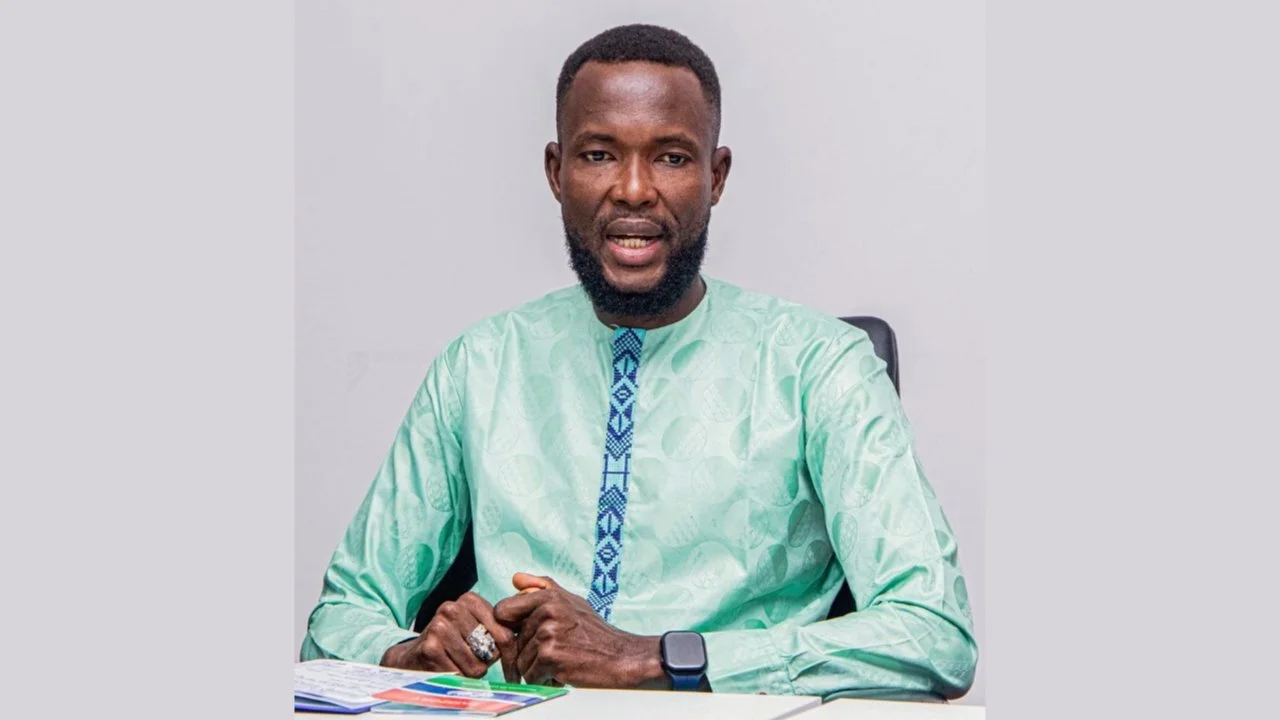
Hon Modou Lamin B Bah
By Edward Francis Dalliah, Jr.
The National Assembly Member for Banjul North, Hon. Modou Lamin B. Bah, has raised serious concerns over what he describes as a dangerous and recurring trend in The Gambia, the gradual ‘normalisation of violent deaths’.
Reflecting on a series of killings in recent years, Hon. Bah warned that fatal incidents increasingly pass without sustained public outrage or visible accountability. He noted that people are killed, yet life moves on “not because it should, but because there is often no follow-up, no urgency, no closure, and no visible justice.”
According to Hon. Bah, the absence of clear consequences has become routine. He argued that under the current administration, the silence that follows such incidents has itself become a defining feature of the era, one that “fuels fear, anger, and a loss of faith in the system.”
Often described as the Smiling Coast of Africa, The Gambia has in recent years recorded a series of brutal killings affecting civilians and security personnel alike. While the country has not experienced the scale of violence seen in some West African states, such as Nigeria, which has endured prolonged gang and terrorist attacks, Hon. Bah argued that when such incidents are left unresolved, they can erode public trust.
To illustrate the scope of the problem, the lawmaker compiled a list of 19 named victims of violent crimes reported in The Gambia between 2018 and 2025. The cases span from alleged gang assaults, stabbings, domestic killings, ritual killings, and robberies, still under investigation.
Among those listed are Musa Colley, killed in an alleged gang assault in 2018; Marie Mendy, a victim of alleged ritual killing in 2021; Momodou Lamarana Jallow, who was allegedly killed in a hotel in 2022; Fatoumatta Kargbo and Isatou Fatty, both stabbed during alleged Bureau de Change robberies in 2024 and 2025, respectively; and Saikou Freeman, whose killing in 2025 remains under investigation.
Several years, particularly 2021 and 2022, recorded multiple fatal incidents involving alleged stabbings and assaults. Hon. Bah stressed that “the list reflects reported incidents only and does not imply legal conclusions or convictions.” Further investigation by Askanwi on the official Facebook page of the Gambia Police Force shows that in 2025 alone, more than ten killings were reported across the country. Some of the incidents involved minors and a Bureau de Change worker, sparking renewed public concern over safety and law enforcement responsiveness.
However, authorities have previously sought to contextualise some of the incidents. In a statement issued on 3rd February 2025, following about four reported killings between late January and early February, the police said that “while the incidents are indeed criminal in nature, it is imperative to provide clarity on a critical aspect that seems to be overlooked: all these cases are acts of domestic violence, occurring within private residences, behind closed doors, and among individuals with pre-existing personal relationships.”
For the Banjul North lawmaker, however, the issue goes beyond statistics or explanations centred on where the crimes occurred. He argued that what is missing is a consistent sense of urgency, closure, and justice for victims and their families. “This is not the Gambia we want,” Hon. Bah said, calling for greater transparency, timely investigations, and accountability in addressing violent crimes.
As incidents of violence continue to spark public debate, his statement adds pressure on security institutions and policymakers to confront what he fears is becoming a dangerous culture of silence surrounding violent deaths in the country.
