
Manjang Cham Visa Fraud Case: Visa Buyers Signed Documents Without Full Understanding
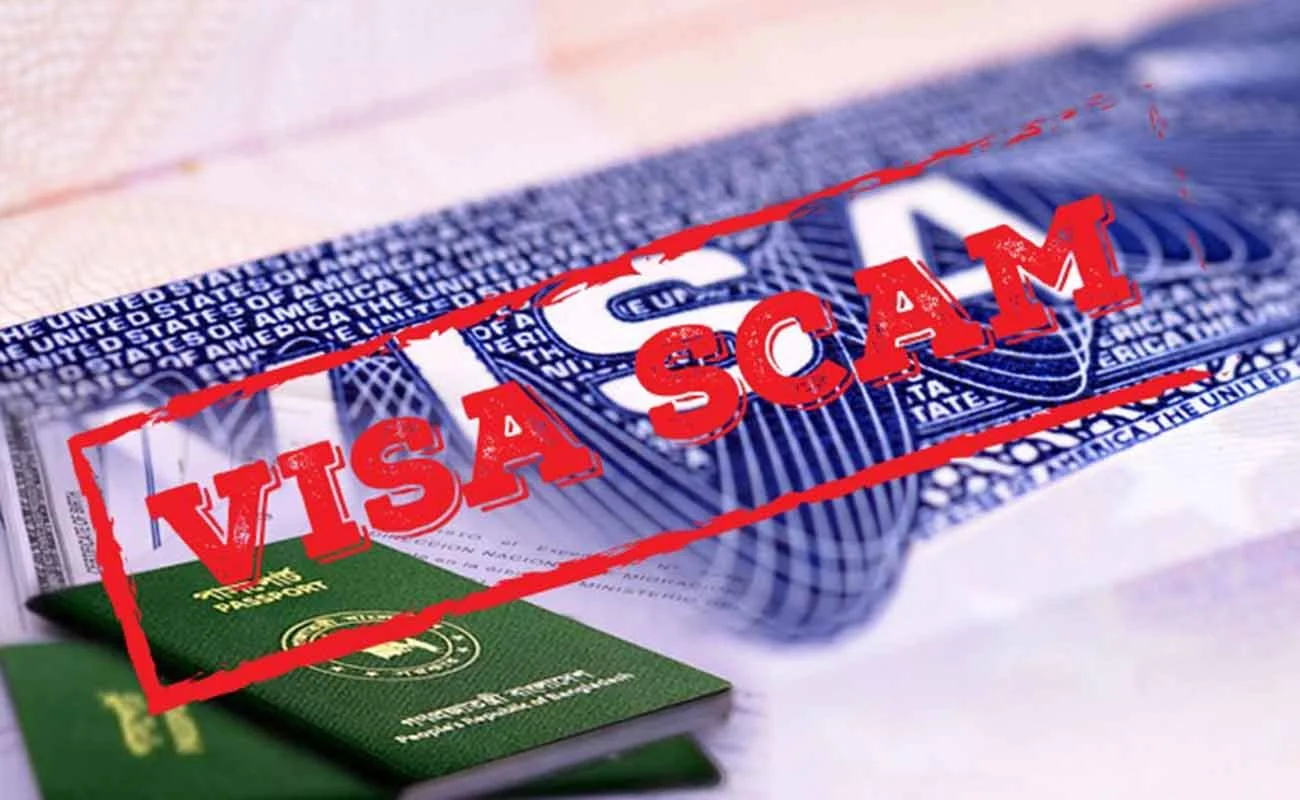
Visa Fraud
By Fatoumata Jaiteh
Proceedings in the case involving Manjang Cham versus the Inspector General of Police (IGP) continued on Wednesday, 11th March 2026, at the Kanifing Magistrates' Court, with the matter presided over by Magistrate A. Manneh.
Manjang Cham is facing charges related to alleged fraudulent conduct involving visa processing arrangements. According to prosecutors, the accused is alleged to have obtained money from individuals under the pretext of facilitating visa applications but failed to deliver the promised travel documents or refund the payments made. The prosecution maintains that the accused collected funds from the complainants for visa processing, which forms the basis of the criminal complaint.
During the last adjournment date, the case had to be postponed because the accused was not present in court. Prosecutors informed the court that the vehicle assigned to transport Cham reportedly suffered a major breakdown, preventing authorities from bringing him to court on that date.
Wednesday’s sitting focused on the continuation of the cross-examination of the prosecution’s second witness (PW2), Muhammed Sallah. Sallah had earlier testified that he paid D100,000 to the accused for the processing of a visa. According to the witness, the payment was made in the office of a man identified as Mr Bah in the Manjai area. Sallah told the court that despite the payment, he has not received the visa and has also not been refunded his money.
He further stated that he and the accused had not yet held any discussion regarding how the money could be returned.
During cross-examination, the defence challenged the witness on whether he was aware that visa application fees are generally non-refundable. In response, Sallah told the court that he was not aware of such a policy.
In his earlier testimony, Sallah also indicated that the accused had taken him to the Spanish embassy, where he submitted documents and appended his signature to forms relating to the visa process facilitated by the accused. Defence counsel then asked the witness: “Do you know that some of the documents you signed were part of the visa agreements?”
Sallah responded: “That is why I signed.”
This exchange highlighted a key issue that may become significant as the case progresses: the legal implications of signing documents without fully understanding their content. Legal observers often caution that signing documents one cannot read or properly interpret can carry serious consequences. If the documents signed by Sallah form part of formal visa agreements or declarations, they could potentially affect how the court interprets the nature of the transaction between the witness and the accused.
Such situations can complicate proceedings because a signed document is generally considered evidence of consent or acknowledgement, even when the signatory claims limited understanding of its contents. For witnesses who are not fully literate in the language of the documents, this can later become a point of contention in court.
After the day’s proceedings, the court adjourned the matter to 8th April 2026, when the hearing is expected to continue. The case remains ongoing at the Kanifing Magistrates' Court, with further cross-examination and additional testimonies anticipated in the next sitting.
