
Rwanda’s Kagame Rebukes Sleeping, Incompetent Officials, Echoing Governance Concerns Across Africa
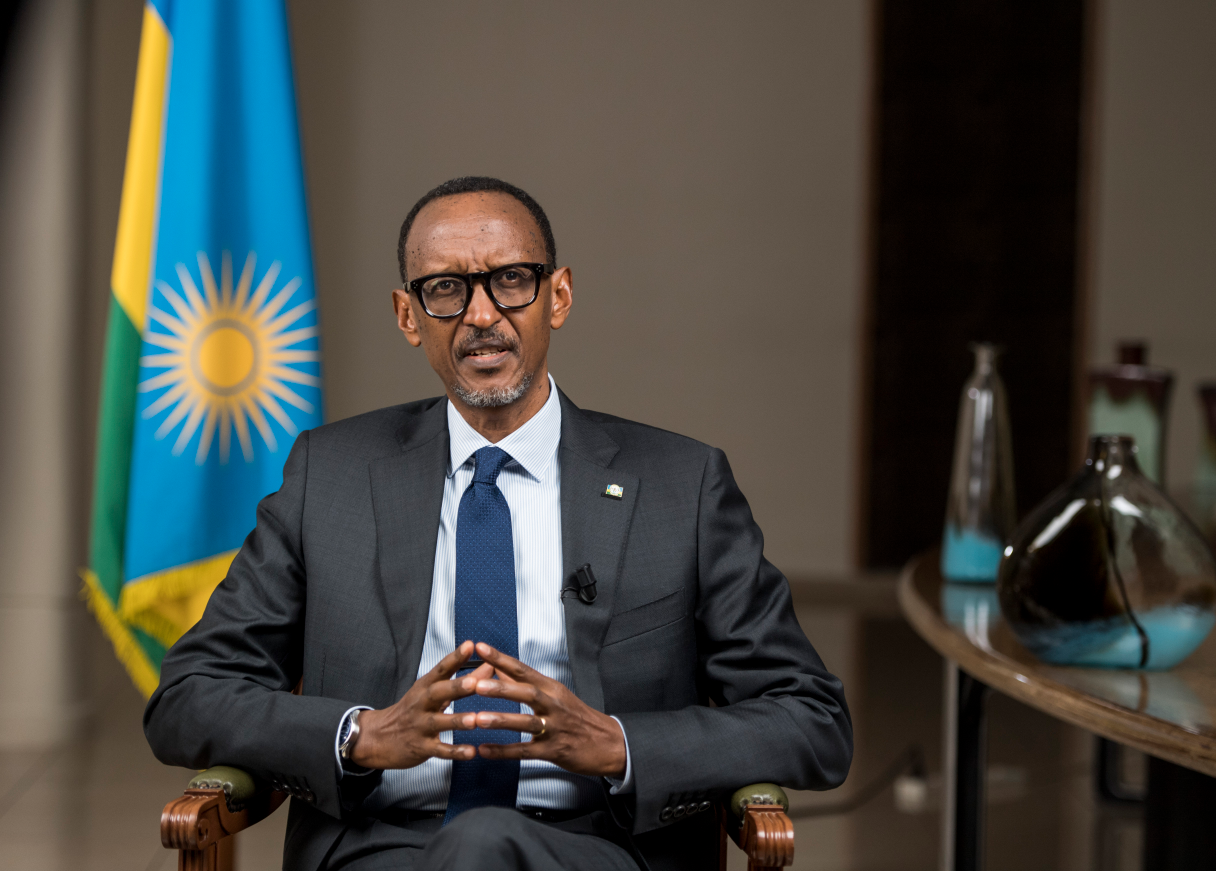
Rwandan President Paul Kagame
By Fatoumata Jaiteh
A widely circulated video reported by TRT Africa has drawn attention to a moment of visible frustration from Paul Kagame, who sharply reprimanded government officials during a public address.
The incident occurred on 23rd March 2026 at the Rwanda Military Academy, where the president was presiding over the closing of a high-level meeting that brought together national and local government officials.
Speaking in Kinyarwanda, Kagame paused his address to call out what he described as inattentiveness among officials seated before him. “I am speaking and some of you are sleeping; get up,” he said, visibly irritated.
The president instructed those seated to stand, underscoring the seriousness of the issues under discussion, namely governance performance and citizen welfare.
Kagame did not stop there. He warned that those unwilling to serve the public effectively should step aside. “If you do not want to continue serving the public, resign and engage freely in other things,” he said. Adding pointedly, “What kind of people are you?”
He further urged officials to seek “other activities” that would better suit what he described as their “incompetence.” The president’s remarks went beyond the immediate incident. In his address, He highlighted persistent governance challenges, including repeated administrative mistakes, waste of public resources, and weak follow-up in implementing government programs.
He also cautioned against corruption and self-enrichment, stressing that leadership is a public trust. “The country’s interest is your interest,” he reminded officials.
The tone of the speech reflects a broader concern about accountability within state institutions, an issue not unique to Rwanda but widely observed across the African continent.
Across Africa, governance challenges such as bureaucratic inefficiency, corruption, and poor policy implementation continue to hinder development efforts. Despite ambitious national plans and international partnerships, many governments struggle with translating policy into tangible outcomes for citizens.
Kagame’s unusually direct reprimand reflects a leadership style that emphasises discipline and results.
President Kagame has been a central figure in Rwanda’s political landscape since the end of the Rwandan genocide. As a leader of the Rwandan Patriotic Front (RPF), he played a decisive role in ending the genocide that claimed an estimated 800,000 lives.
He officially assumed the presidency in 2000, following a period as vice president and de facto leader. Since then, he has overseen a period of significant national reconstruction.
Rwanda’s post-genocide recovery is often cited as one of Africa’s most notable development stories. Moments like the March 23rd address highlight a key tension in governance across Africa, the need to balance strong leadership and accountability with inclusive and participatory political systems.
