
Caritas Gambia Trains Community Leaders to Strengthen Social Cohesion
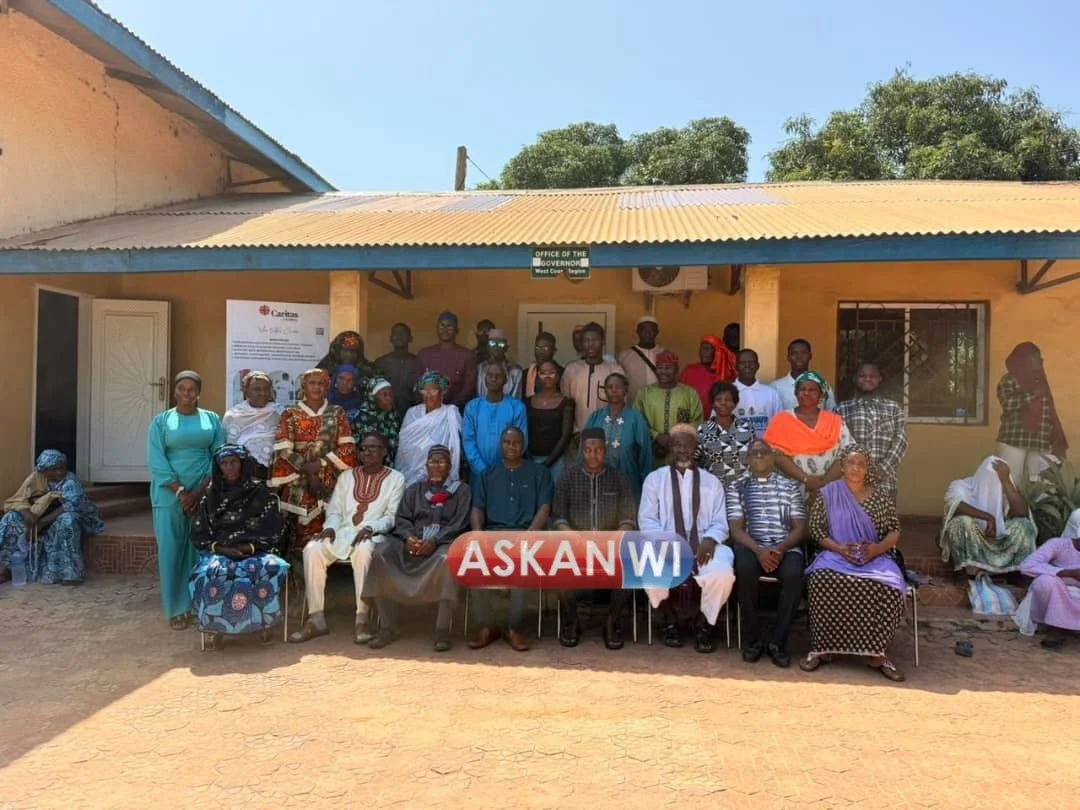
Caritas Group Photo in Brikama © Askanwi
By Fatoumata Jaiteh
As The Gambia prepares for its December 2026 presidential election, Caritas Gambia, with funding from Catholic Relief Services (CRS), has launched a three-day social cohesion training aimed at strengthening communities’ capacity to prevent and manage election-related conflicts.
The training, which commenced on Monday, 31st August 2026, at the Governor’s Office in Brikama, brings together representatives from various organisations, including religious leaders and women representatives from communities across the West Coast Region.
The initiative comes as stakeholders continue to emphasise the importance of peaceful political participation, dialogue and conflict prevention in maintaining social stability during electoral periods.
According to the organisers, the training is designed to promote peace and social cohesion while equipping local leaders and community members with practical skills in mediation and conflict prevention.
Caritas Gambia is a Catholic humanitarian and development organisation and the social development arm of the Catholic Diocese of Banjul. It is also known as the Catholic Development Office (CaDO) and is part of the wider Caritas Internationalis network.
The programme focuses on three key objectives: strengthening social dialogue, reducing election-related conflicts, and promoting inclusive and peaceful participation in The Gambia’s 2026 electoral process.
One of the opening sessions, presented by Lawca Gomez, a trainer at the event, focused on the nature of conflict and the importance of understanding the issues underlying disputes within communities.
Gomez defined conflict and explained that disputes often have underlying causes. She observed that communities sometimes focus on the visible effects of conflicts without paying sufficient attention to the issues that triggered them.
“Every conflict has a root cause, but most times we only concentrate on the effects, forgetting what exactly triggered the conflict,” said Ms. Gomez.
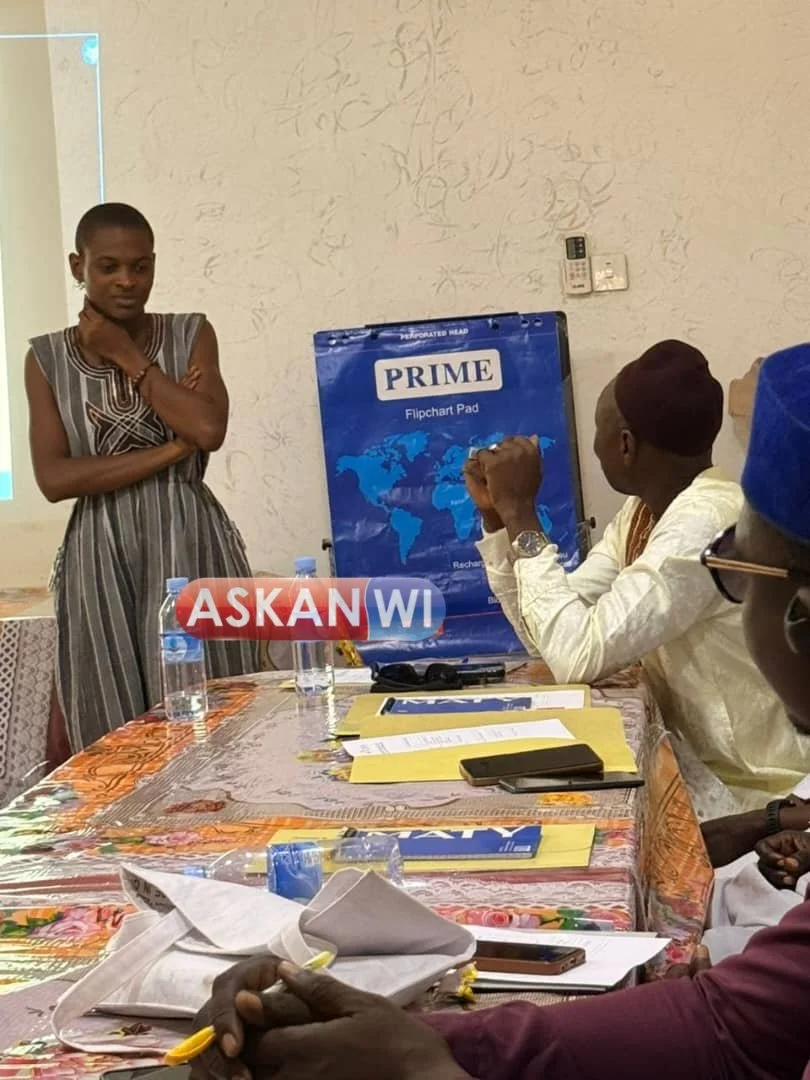
Trainer Lawka Gomez © Askanwi
She added that “mediation will either fuel or quench the fire; therefore, addressing the root cause should be your priority”.
According to Gomez, addressing underlying causes is essential to achieving lasting solutions, as attempts to manage only the effects of a conflict may make it more difficult to resolve the problem.
Her presentation covered the definition of conflict, the distinction between conflict and violence, different types of conflict, and the various forms that violence can take.
The session provided participants with a framework for examining disputes beyond their immediate manifestations, an approach particularly relevant at the community level as the country approaches the election.
The organisers said the three-day programme will go beyond defining conflict, with subsequent sessions expected to examine the meaning of peace, principles of peacebuilding and the different dimensions of conflict.
These sessions are intended to strengthen participants’ ability to mediate disputes by helping them distinguish between the immediate symptoms of a conflict and its underlying causes. This, according to the organisers, can help community leaders intervene early and pursue solutions that address the concerns of parties involved.
The emphasis on social dialogue also seeks to equip participants with tools to encourage communication across political, religious and social differences, rather than allowing disagreements to escalate into confrontation.
The timing of the initiative places the training within broader efforts to prepare communities for challenges that may accompany the election season.
The programme places communities at the centre of election-related peacebuilding, recognising that preventing violence is not solely the responsibility of political actors and security institutions.
Religious leaders, women leaders, community representatives and other local actors can also play an important role in identifying early signs of tension and helping to address disputes within their communities.
As The Gambia approaches the December 2026 election, initiatives such as the Caritas Gambia-led training seek to ensure that communities are not only prepared to participate in the electoral process but are also equipped with the tools to navigate political differences peacefully.
The message emerging from the opening session is that preventing conflict requires more than responding after tensions erupt. It also requires understanding the causes of disputes and strengthening communities’ capacity to address them before they escalate.
