
Dr Bittaye: Government Bears Only 1% of Responsibility in AKI Deaths
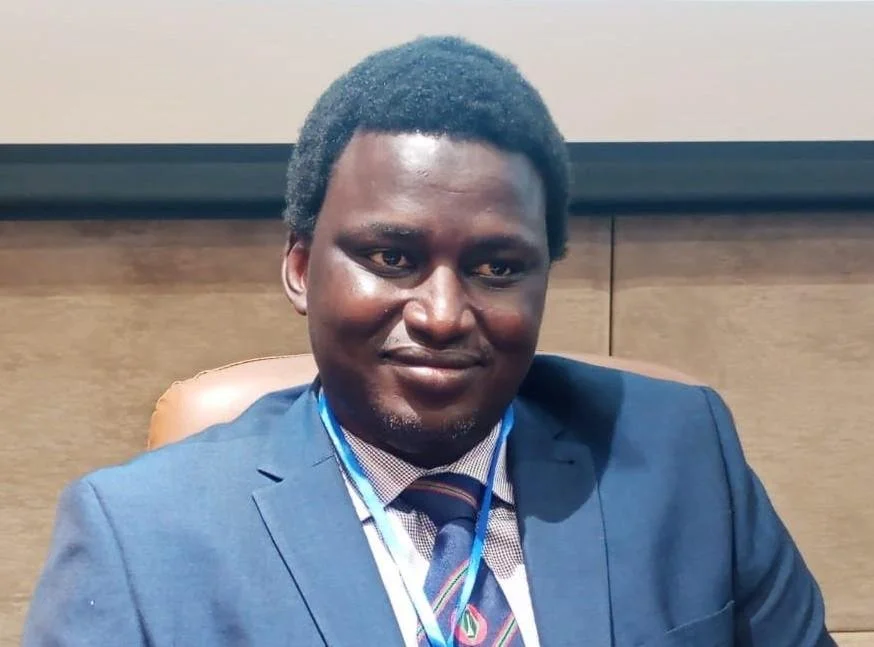
Dr Mustapha Bittaye
By Edward Francis Dalliah, Jr.
In a case that continues to raise questions about accountability for the deaths of over 80 children, the Chief Medical Director of Edward Francis Small Teaching Hospital, Dr Mustapha Bittaye, has told the High Court that he thinks the government bears just 1% responsibility for the tragedy.
The AKI court cases have been ongoing since 2023, stemming from the deaths of over 83 children who reportedly consumed contaminated cough syrup manufactured by Maiden Pharmaceuticals and imported into The Gambia by Atlantic Pharmaceuticals. Both companies are parties to the case, but Maiden Pharmaceuticals has yet to appear before the court since the commencement of the case.
Testifying under cross-examination on Wednesday, 18th March 2025, before Justice Jaiteh in Banjul, Dr Bittaye placed overwhelming blame of 99% on MaidenPharmaceutical in India, the manufacturer of the contaminated cough syrup linked to the deaths of the children.
He told the court that “If the manufacturer had done [due diligence] and did not try to beat the system, this would not have happened.” Adding to his assertion, he said, “If we are to hold anyone responsible, I would give them 99%,” describing the company as “the main problem.”
His position came under scrutiny as Counsel A. Njie, representing the plaintiffs, confronted him with findings from the government’s own task force report published in 2023 after an investigation was conducted following the deaths of the children.
The report cited Babanding Sabally, a pharmacist who worked with the Ministry of Health (MoH) and the Medical Control Agency (MCA), that “from his perspective, the AKI crisis was due to the lack of quality assurance failures on the side of the manufacturer- and that they hold 90% of the blame vis-à-vis MCA who holds only 10% of the blame due to the lack of a quality assurance (QC) lab and a weak pharmacovigilance system.”
Pressed on whether the government should bear greater responsibility, Dr Bittaye maintained that assigning 99% blame to the manufacturer leaves the government with just 1%. He acknowledged, however, that the state’s response was not fast enough and could have been better.
Counsel Njie challenged this stance, highlighting that the task force report had identified multiple lapses that, if addressed, could have prevented the deaths. Despite this, Dr Bittaye stood firm, arguing that manufacturers can evade regulatory controls regardless of safeguards in place.
His testimony underscores a growing tension at the heart of the case on whether the tragedy was solely the result of a negligent manufacturer or also a failure of state oversight meant to protect public health.
Dr Bittaye is expected to return to continue his cross-examination on the next adjourned date on 29th April 2025 at 10 am. Below is a link to the previous court report.
