
Sarra Kunda’s Alkalo Says I’m Number One Victim, Recounts Torture
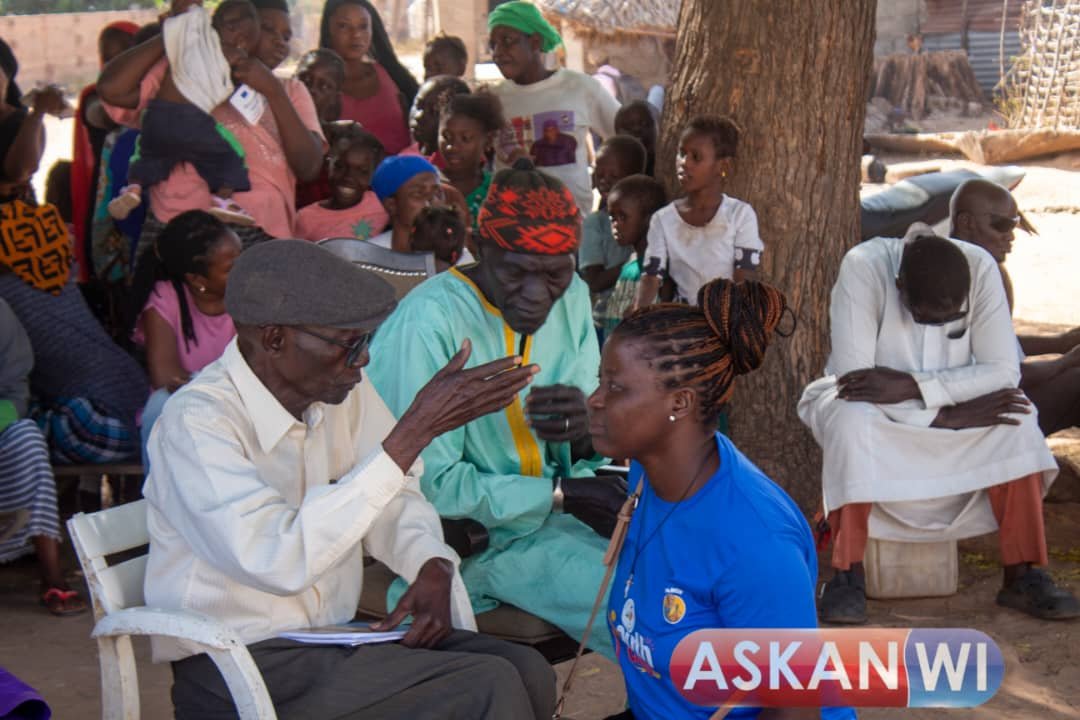
Sarra Kunda Alkalo speaks to Victim Center representative © Askanwi
By Edward Francis Dalliah, Jr.
Bakary Camara, the Alkalo of Sarra Kunda village in The Gambia’s North Bank Region, has revealed his alleged arbitrary arrest, detention, torture, and forced exile under the regime of former president Yahya Jammeh, declaring himself ‘the first victim of Jammeh-era abuses in the community.’
The revelation was made on Thursday, 15th January 2026, during a Musical Caravan outreach organised by the Center for Victim and Human Rights Violation (Victims’ Center), aimed at sensitising communities on the African Union Transitional Justice Policy (AUTJP) and the government’s White Paper on the recommendations of the Truth, Reconciliation and Reparations Commission (TRRC).
While in Sarra Kunda to engage the community, the Alkalo told the VC that “the number one victim in Sarra Kunda is me,” as he recounted a series of arrests beginning shortly after the July 22, 1994, military coup during an interview with a staff member of the VC. He said he was serving as “an intelligence officer” during the government of President Sir Dawda Kairaba Jawara when soldiers stormed his office on the day of the coup, seized official documents, and accused him of leaking information about the takeover.
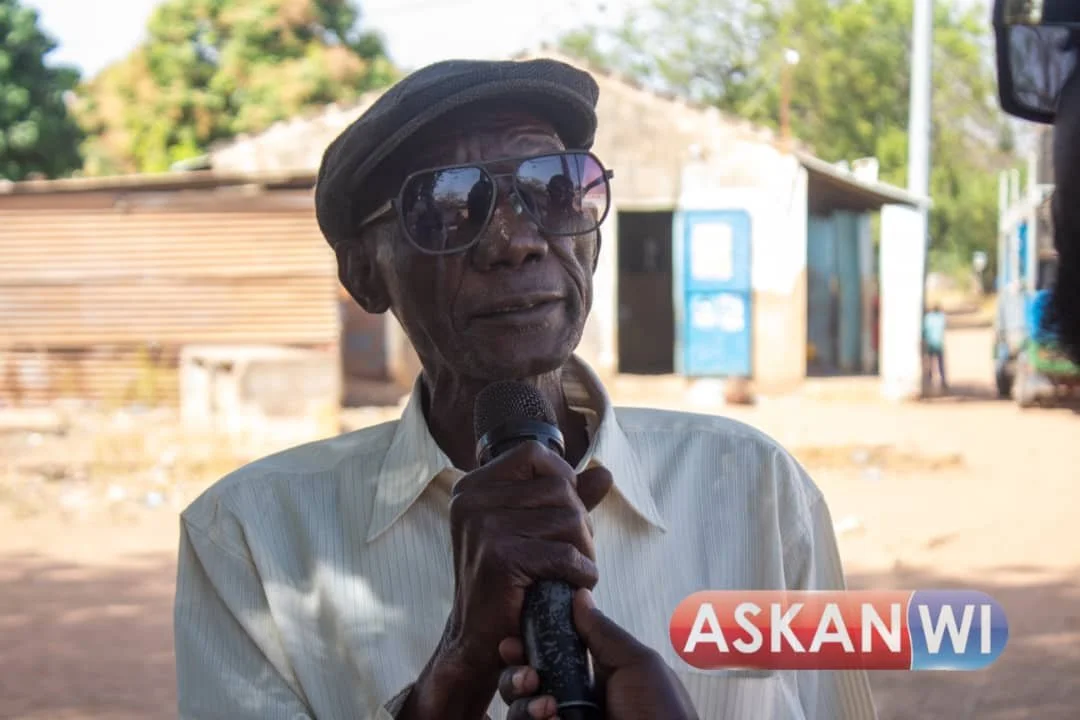
Sarra Kunda Alkalo Bakary Camara © Askanwi
In July 1994, a group of soldiers led by then-Lieutenant Yahya Jammeh overthrew the democratically elected government of President Sir Dawda Kairaba Jawara in a military coup that ended nearly three decades of constitutional rule in The Gambia. The takeover marked the beginning of a 22-year authoritarian regime characterised by widespread human rights abuses, including arbitrary arrests, prolonged detentions, torture, and the targeting of perceived opponents, particularly within the security services
The Alkalo revealed that on the day of the takeover, “the military invaded my office, seized all my files, accused me of giving information about the coup, and arrested me,” adding that he was detained for one month before being released but was re-arrested and had his ‘passport confiscated and taken to the National Intelligence Agency (NIA).’ He further claimed he was tortured before being transferred to Bakau Police Station, where he spent two additional months in detention. According to his testimony, he was arrested a third time, charged with sedition, and subjected to a two-year court process without evidence before his release in 1996.
Following his release, the Alkalo said, “The United States Ambassador to The Gambia offered him asylum,” prompting him to relocate to the United States, where he lived until 2022, when he finally returned home. He disclosed that he reached out to the Truth, Reconciliation and Reparations Commission (TRRC) while in the United States but did not testify before the Commission.
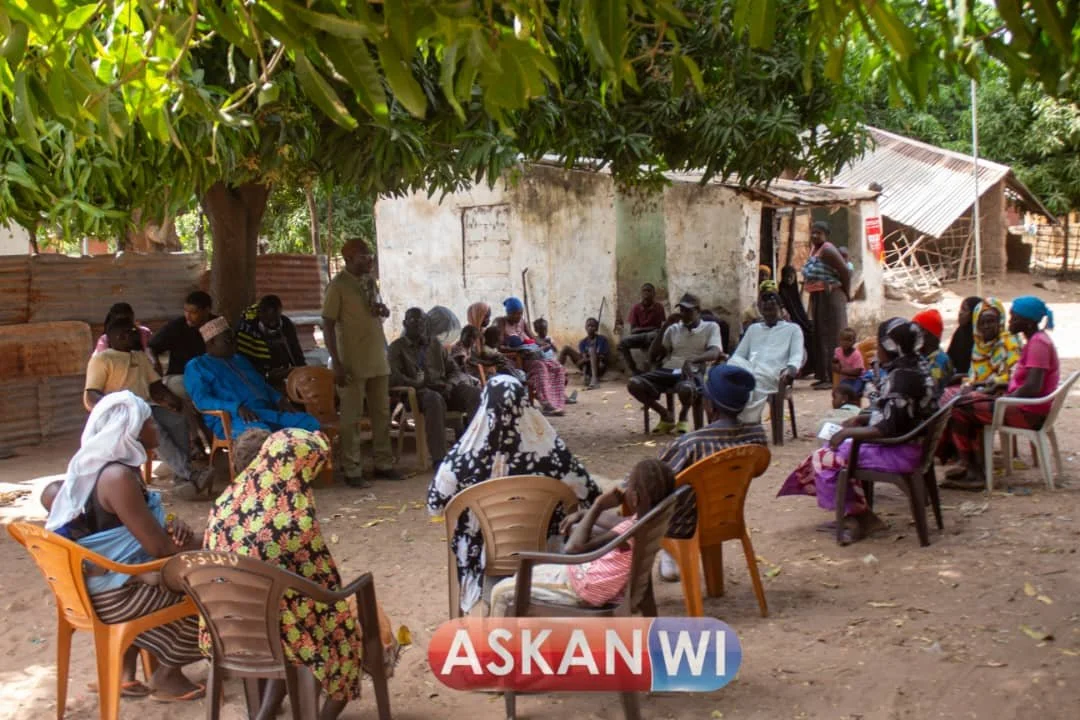
Sarra Kunda Community Dialogue © Askanwi
The now-defunct TRRC, which investigated human rights violations committed during Jammeh’s 22-year rule, documented widespread abuses, particularly within the security sector. Volumes 13 and 14 of its final report detailed institutional hearings at the National Intelligence Agency, now the State Intelligence Service, and Mile 2 Central Prison, exposing systematic torture used to extract forced confessions.
Volume 13 of the report concluded that “the NIA became a weapon of oppression and subjugation for former President Yahya Jammeh. [And it was used as] an instrument for orchestrating the fake narrative that sustained the former President Yahya Jammeh’s rule, by instilling fear into the hearts of the Gambian people through committing egregious human rights violations on Jammeh’s behest.”
The Alkalo’s account further strengthens the report of the TRRC regarding what happened in detention centres while underscoring the reality that many victims’ stories remain unheard, even years after the end of Jammeh’s rule. However, the outreach has created a platform for such stories to be told and gives voice to community members to express how they see the progress of the implementation of the Government’s White Paper, which outlines the recommendations accepted from the TRRC.
