
How a Missed Diaspora Initiative Could Have Saved Over 70 AKI Children
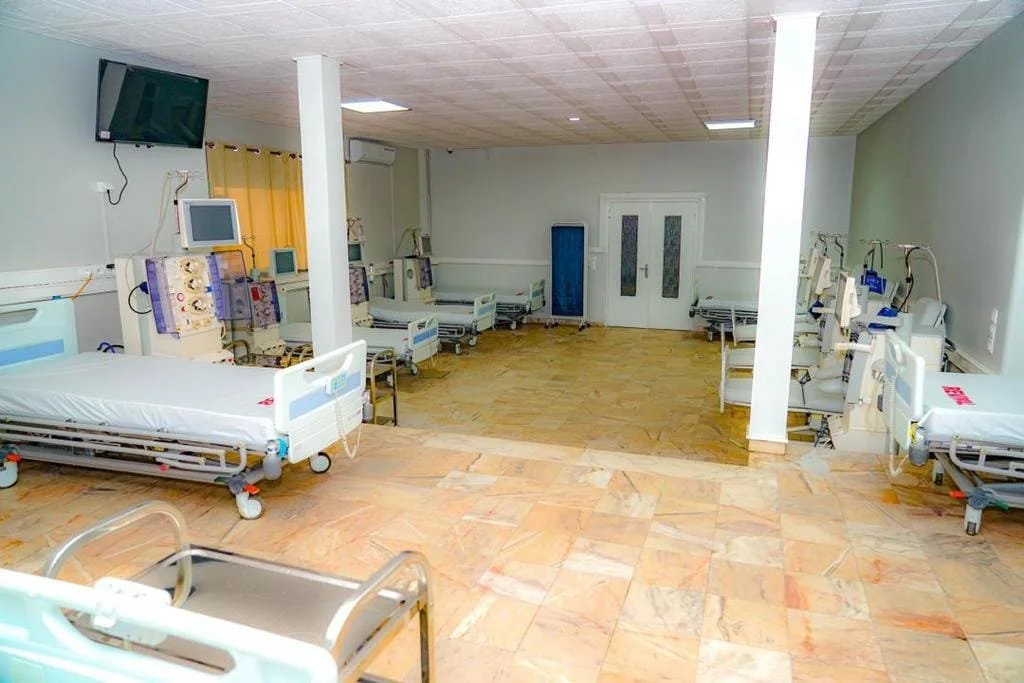
Diaspora Gambian Estabishes Revival Haemodialysis Center in Dakar © Ida Bass Kidney Foundation
By Yusef Taylor, @FlexDan_YT
The keynote speaker at the ninth Stake in the Nation Forum, Ms Sailey Fladsrud, recounted how citizens ultimately lose out when public officials obstruct progressive initiatives, citing her haemodialysis enterprise and experience in The Gambia and Senegal.
Haemodialysis is a life-sustaining treatment for kidney failure. It filters waste products, toxins, and excess fluid from the blood using an artificial kidney, also known as a dialyser machine. Without access to this critical treatment, patients suffering from kidney failure face serious complications and, in many cases, death.
This harsh reality was tragically underscored by the deaths of more than 70 children who succumbed to Acute Kidney Injury (AKI) after ingesting contaminated medicines manufactured in India by Maiden Pharmaceuticals and imported into The Gambia by the now de-registered Atlantic Pharmaceuticals.
Askanwi Media has reported on the AKI tragedy from its onset and recalls how many of the affected children struggled to access haemodialysis treatment, with families forced to seek care in Senegal after failing to obtain it in The Gambia.
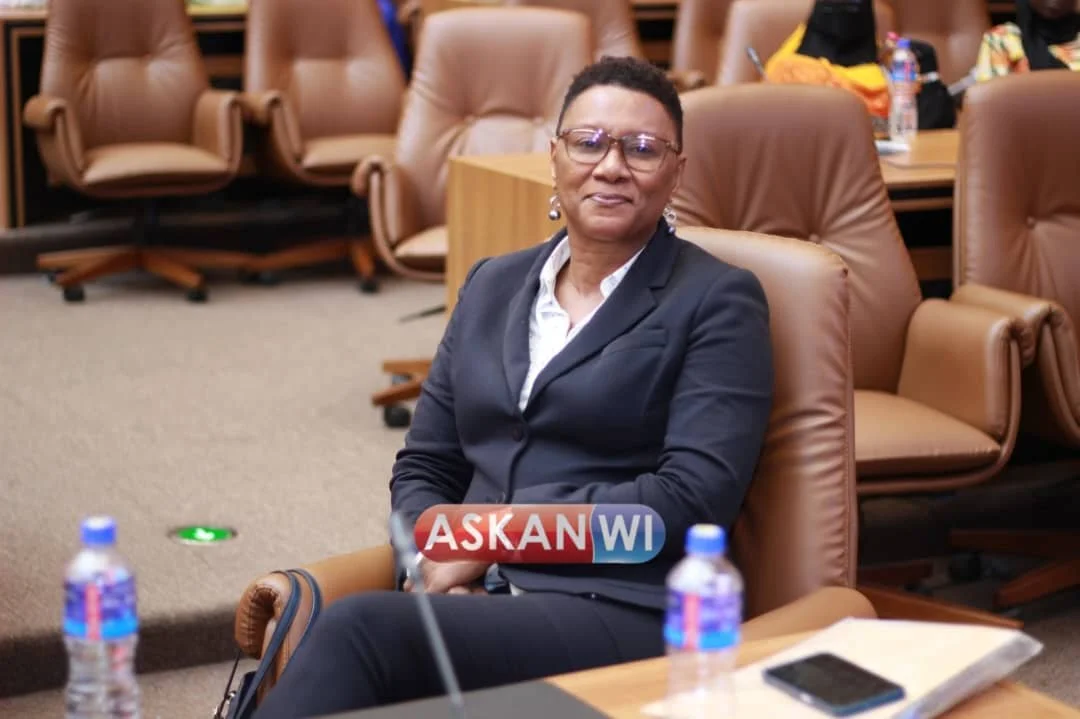
Ms Sailey Fladsrud, Founder of Ida Bass Kidney Foundation © Askanwi
Ms Fladsrud’s experience is not an isolated case. Her story reflects the broader challenges faced by many Gambians in the Diaspora who attempt to implement progressive and life-saving initiatives back home. Her account of resilience highlights how she began working in The Gambia in 2015, was later forced to establish her operations in Senegal due to institutional barriers, and is now collaborating with the Gambian government to establish a haemodialysis centre in Bansang.
Speaking on 10th January 2026 at the annual Diaspora Convention, Ms Fladsrud told delegates: “Today, I run the Revival Haemodialysis Centre in Point A, Dakar — not in The Gambia.”
Meanwhile, access to kidney dialysis treatment in The Gambia has steadily declined. Patients often endure long waiting periods to access functional machines and, in many instances, are compelled to travel abroad, including to Dakar, to receive haemodialysis treatment.
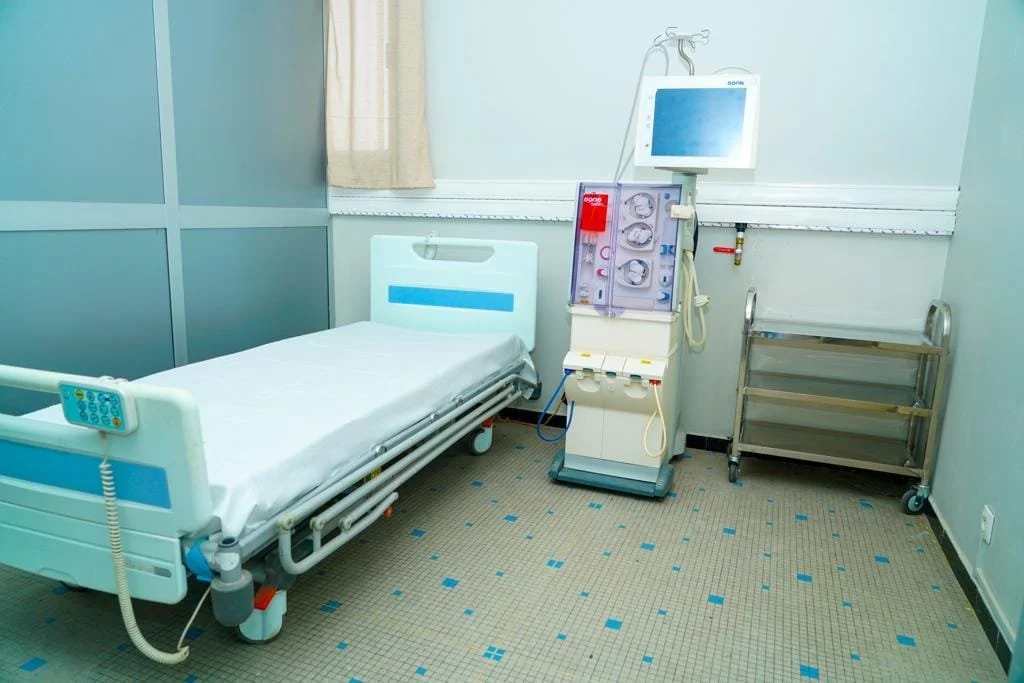
Bed and Equipment at the Revival Haemodialysis Center in Dakar © Ida Bass Kidney Foundation
Ms Fladsrud’s foundation began working with the Ministry of Health in 2015, contributing to the establishment of a 14-bed haemodialysis centre at the Edward Francis Small Teaching Hospital. However, she said she was later left “bewildered and lost,” unable to understand the motives behind what she described as counterproductive actions that stalled progress.
Determined to ensure the sustainability of her work, Ms Fladsrud sought “to ensure financial stability of the charity” by establishing “a social enterprise dialysis service with a viable business plan.” She explained that this is where she “struggled to get the cooperation needed in The Gambia,” which ultimately forced her to take the business plan to Senegal.
Today, the Revival Haemodialysis Centre in Dakar serves governments, insurance companies, and other institutions. “Profits are used to support the charity. Although Gambian patients benefit through subsidies, it is only a fraction of what could have been achieved,” she said.
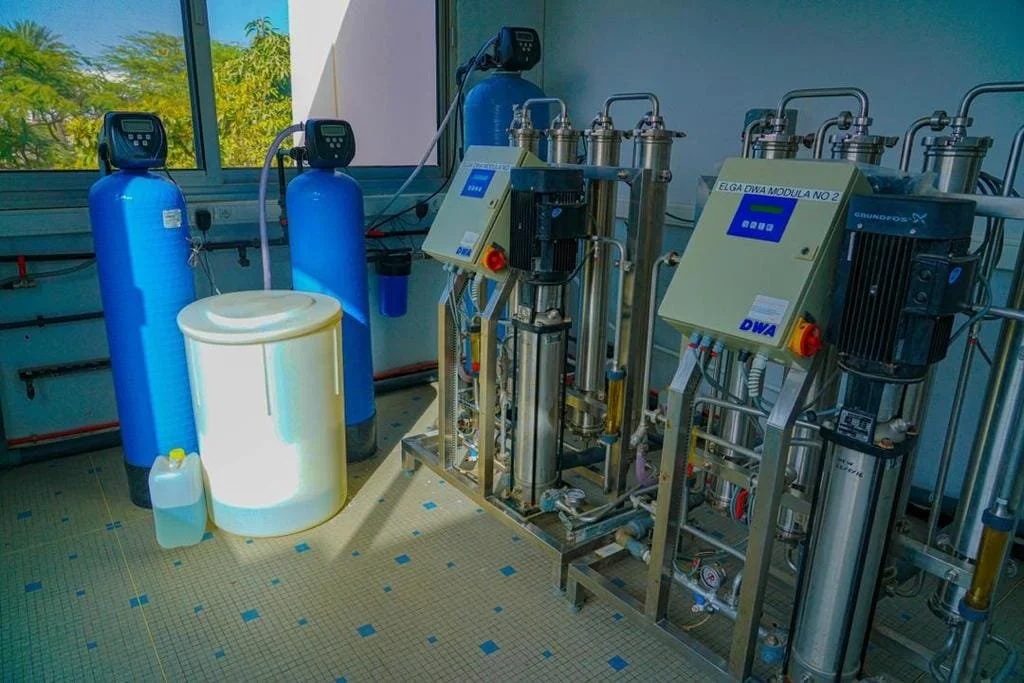
Equipment at the Revival Haemodialysis Center in Dakar © Ida Bass Kidney Foundation
Ms Fladsrud disclosed that she is currently collaborating with the Ministry of Health and is committed to building a new dialysis centre in Bansang. She said she visited the site last summer as part of a feasibility assessment, noting that this renewed opportunity exists largely because the Ministry is now “opening doors and embracing the Diaspora and other partners.”
“For me, the lesson is simple: collaborate, cooperate, and capitalise,” she said, warning that “when obstructions and barriers are erected, both the sectors and citizens lose out.”
Askanwi Media remains acutely aware of the devastating consequences the absence of a fully functional haemodialysis centre has had on Gambians in recent years. Most alarming was the death of more than 70 children between August 2022 and early 2023 due to Acute Kidney Injury caused by contaminated medicines.
Had a fully functioning haemodialysis centre capable of treating children been operational in The Gambia at the time, many of those children might still be alive today.
This tragedy underscores the urgent need to take life-saving treatments seriously through meaningful collaboration with well-intentioned Gambians in the Diaspora and local partners to strengthen the country’s healthcare system. A successful partnership resulting in the establishment of a haemodialysis centre in Bansang could serve as a blueprint for effective government-Diaspora collaboration in The Gambia.
